
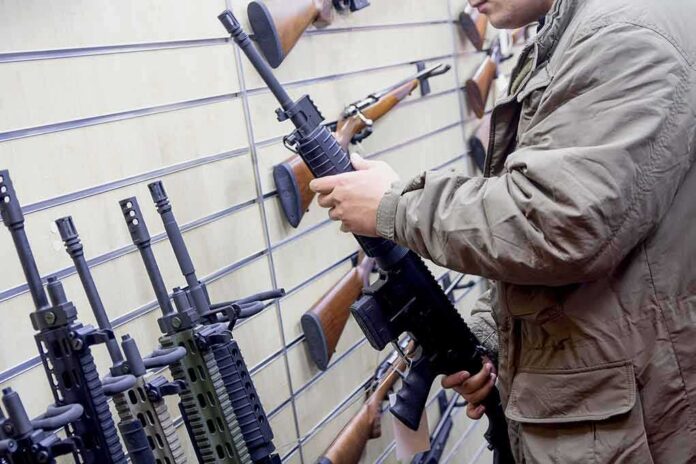
Teen gun runners in Phoenix are supplying weapons to Mexican cartel operatives, exposing a dangerous pipeline that puts families and law enforcement at risk.
Story Snapshot
- Investigative reporting details Phoenix teens selling guns to cartel operatives in the United States.
- Experts and officials say the teen pipeline fits a broader U.S.-to-Mexico trafficking pattern.
- Justice Department data show sharp increases in Mexico crime-gun tracing tied to U.S. sources.
- Cartels recruit teens for low cost, fast access, and lighter expected penalties.
Teens Describe Gun Sales to Cartel Operatives
New reporting says four Phoenix traffickers, ages 16 to 19, let a journalist watch how they buy and sell guns. The teenagers are current or recent high school students. They source handguns and high-caliber rifles, then sell almost only to cartel-linked buyers operating inside the United States. A companion report explains that these young sellers act as key conduits. They deliver military-style rifles straight to cartel intermediaries who place orders and pay in cash.
Sources describe a brisk, repeat business model. Teens use encrypted chat apps to post guns, take bids, and set meets. They focus on quick turnaround and volume instead of one-off deals. The buyers are not uniformed cartel members but layers of go-betweens. That adds distance for the cartels and hides the command chain. The reporters say teens framed the work as fast money with low odds of serious punishment if caught, which cartels exploit.
How The Pipeline Fits a Known Trafficking Pattern
Federal data and past cases show a steady flow of U.S.-sourced guns into Mexico. The Bureau of Alcohol, Tobacco, Firearms and Explosives reports tracing patterns that map cross-border movement of crime guns from border states like Arizona. The United States Department of Justice highlighted a large rise in Mexico gun traces between 2017 and 2023. That report ties most traced weapons to areas under strong cartel influence, including Sinaloa and Jalisco regions.
This teen pipeline mirrors earlier trafficking methods. Straw purchasers and low-profile couriers move weapons in steps to avoid detection. Teens fit that model because they have clean records and blend in. They can buy through private channels or steal guns, then pass them along. The result is the same: American firearms feed cartel violence across the border. The use of teenagers only lowers costs and speeds the supply chain, federal and expert sources indicate.
Public Safety Stakes For Border Communities
Local police and federal agents face a tougher job when guns move through many hands fast. Every extra layer makes tracing harder and slows arrests. When high school students traffic rifles, it risks school safety as well. Guns pass through neighborhoods, parking lots, and homes. That raises the chance that a stolen or diverted firearm ends up in a local crime before it ever reaches a cartel buyer down the line, compounding danger for families and officers.
"Who they kill is not my problem as long as I make my money."
That's an 18-year-old in Phoenix, one of a crew of high schoolers selling guns bound for Mexican cartels. They buy, steal and flip rifles in WhatsApp and Telegram chats, then delete them to dodge Meta's ban.
The… pic.twitter.com/Y29MYJzacc
— Carolyn Barber, MD (@cbarbermd) October 3, 2026
The Justice Department’s findings point to a national security problem tied to cross-border crime. Cartel firepower fuels drug smuggling and human trafficking networks. More guns in cartel hands mean more violence, kidnappings, and officer ambushes in Mexico, and more spillover pressure on American border towns. Federal examiners have urged better data, faster tracing, and stronger disruption tools to choke the flow before guns leave the country or vanish into stash houses.
Policy Focus: Crush Trafficking Without Hitting Lawful Owners
Lawmakers can act against trafficking while respecting the Second Amendment. Targeting straw buying rings, quick-resale schemes, and stolen-gun markets hits the supply chain’s weak points. Faster reporting of lost and stolen guns, pressure on repeat bad-apple sellers, and tougher penalties for organized trafficking are focused tools. None of these measures block a law-abiding adult from buying and keeping a firearm for self-defense, sport, or ranch use.
Border task forces can tighten leads from trace data and move on networks faster. The Bureau of Alcohol, Tobacco, Firearms and Explosives and local partners can surge to known source zones after a spike in traces. Prosecutors can prioritize cases with clear cartel links and seek prison time that deters recruiters from targeting teens. These steps back the blue, protect families, and keep rights intact while shutting the door on violent cross-border syndicates.
What Parents And Communities Can Do Now
Parents in border states and big metro areas should watch for red flags. Sudden cash, new guns, or encrypted app deals can signal trouble. School leaders can work with police to flag theft, fences, and meetups near campus. Gun owners should lock up firearms and record serial numbers to speed tracing if a theft occurs. These simple steps help cut supply and keep kids from getting pulled into a deadly trade that preys on their youth and inexperience.
Sources:
feedpress.me, nytimes.com, elfinanciero.com.mx, ground.news