President Trump said an Iran link to the Flydubai cockpit attack is “likely,” and warned Tehran would be hit “very hard” if confirmed.
Story Highlights
- Trump said an Iran tie to the Flydubai attack is plausible and under U.S. review.
- Israeli Prime Minister Benjamin Netanyahu said it is too early to say Iran was involved.
- Flydubai urged against “premature speculation” as motives remain unknown.
- Investigators in Saudi Arabia and Israel are examining whether the co-pilot acted alone.
Trump Signals Consequences If Iran Is Tied To The Attack
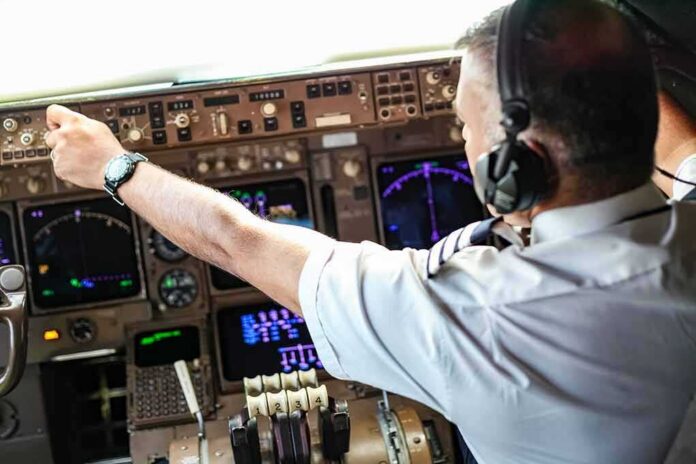
President Trump told reporters the United States is examining a possible Iran link to the Flydubai cockpit stabbing and attempted crash on a Dubai-to-Tel Aviv flight. Trump said that, based on what he is hearing, the answer “is yes,” while stressing the review is active. He warned Tehran would be hit “very hard” if evidence confirms Iranian direction or support. Trump also raised the possibility of Islamic Revolutionary Guard Corps placement or radicalization as paths to influence.
Trump’s comments followed a call with Israel’s leader, as both governments confront a pattern of proxy threats. The President framed the probe as part of protecting allies and deterring state-backed terror. He did not release intelligence or name sources, and he cautioned the work is ongoing. His stance is firm: if Iran’s hand appears, the cost will rise. That message aims to restore deterrence after years of weak responses to hostile regimes that used cutouts to mask control.
Israel Says It Is Early; Probe Expands Across Jurisdictions
Israeli Prime Minister Benjamin Netanyahu said it is too early to say Iran was involved. He confirmed the suspect is being investigated in Saudi Arabia and that Israel has been invited to help. He added that Israel has tracked threats from Iran’s proxies, such as groups planning attacks on Israelis abroad, but stopped short of tying this incident to Tehran at this stage. He said facts will come soon as investigators sort motive and any outside direction.
Flydubai stated that the reasons and motives remain unknown and warned against premature claims. That caution reflects standard practice after violent acts where early details can mislead. Two Israeli security officials also told reporters that no Iranian role had been identified at that time. These statements do not close the door on an Iran tie; they place the focus on evidence collection and formal findings. The result may show a lone actor, a proxy link, or something in between.
Why The Iran Question Matters For U.S. Security And Allies
Analysts note Iran often uses proxies and layers of go-betweens to hide control. That model slows public attribution and creates doubt, even as it enables attacks. Open sources can lag intelligence reporting, so governments may speak in guarded terms until investigators confirm a chain of command. That gap can let hostile actors claim deniability. Strategic patience is wise, but it does not mean the risk is low. If Tehran directed or enabled this act, clear costs deter repeats.
'Based on what I'm hearing, #Iran may be linked to #FlyDubai co-pilot as investigators try to establish motive' – US Prez Donald #Trump, on Omani co-pilot who stabbed Indian pilot #SmitMachchhar with a knife nd tried to crash the plane in a 9-11 kind of terror attack. pic.twitter.com/eY31XEEQ3O
— Vijay Thakkar (@viking_thakkar) October 2, 2026
For American readers, the stakes are simple. Air travel must be safe. Terror must not win. Presidents must draw lines that adversaries believe. Trump has set a red line tied to proof. If evidence shows Iran’s hand, a strong response would defend our citizens, allies, and the basic rule that you cannot target innocents and hide behind proxies. If evidence does not show that link, the case still demands full answers on vetting, radicalization, and cockpit security to prevent a next time.
Sources:
bbc.com, bbc.co.uk, the-express.com, sundayguardianlive.com, english.mathrubhumi.com, en.yenisafak.com, pbs.org, saudigazette.com.sa