A Palestinian driver rammed a checkpoint on Route 443, leaving Israel’s U.S. ambassador’s son fighting for his life after emergency brain surgery.
Story Highlights
- Neria Leiter, son of Israel’s U.S. ambassador, was critically injured in a ramming at a West Bank checkpoint.
- Israeli forces shot and killed the 29-year-old driver identified as Mahmoud Suleiman from Beit Ur al-Tahta.
- Doctors at Shaare Zedek Medical Center performed hours-long brain surgery; his life remains in danger.
- The Israeli military reported a car-ramming in the Binyamin Brigade area; security ended the threat.
Confirmed Attack And Victim Identity
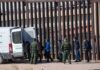
Officials and major outlets reported a car-ramming at a checkpoint along Route 443, near Beit Horon and close to Modi’in, west of Ramallah. Reports identified the wounded man as Neria Leiter, the son of Israel’s ambassador to the United States, Yechiel Leiter. Coverage from multiple networks agreed on the core facts about the victim and location, though the exact checkpoint name varied among outlets, which described nearby points in the same corridor.
Ambassador Leiter said medics were fighting to save his son’s life and asked for prayers as doctors worked. News reports quoted him describing the situation as dire and in need of a miracle. The son’s name appeared in Hebrew form as Neria Dov ben Chana in calls for prayer. Those details came through the ambassador’s public statements reported by several outlets on the day of the attack.
Hospital Treatment And Condition
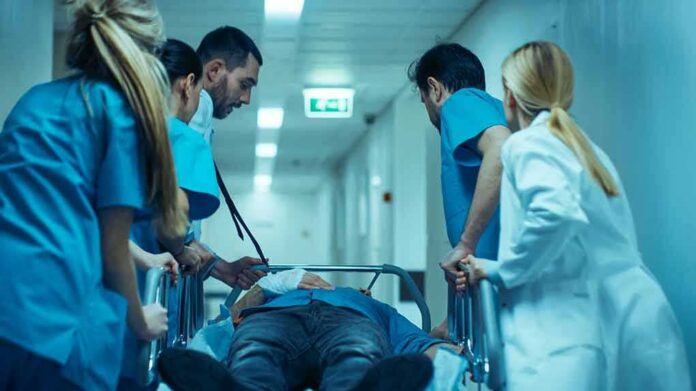
Doctors at Shaare Zedek Medical Center in Jerusalem performed emergency brain surgery that lasted several hours. Hospital statements carried by the press said his condition remained extremely critical, with his life in danger after surgery. Reports throughout the day used terms like seriously wounded and critically injured, but the hospital’s language pointed to life-threatening trauma. The hospital remained the central treatment site across all outlets that named a facility.
Medical teams stabilized Leiter after the operation and continued intensive care. Reporters said his status stayed critical through the evening as specialists monitored brain swelling and vital signs. That track is consistent with head trauma from high-speed impact. Newsrooms noted the gravity without claiming a final prognosis. The family asked the public for continued prayers and privacy as doctors worked to protect brain function in the hours after surgery.
Attacker Identification And Security Response
The driver was identified in reports as Mahmoud Muhammad Suleiman, age 29, from Beit Ur al-Tahta. Security forces shot the assailant at the scene, ending the threat quickly after the strike on the checkpoint. The Israeli military reported a car-ramming in the Binyamin Brigade’s area and said security personnel neutralized the attacker. Variations in the spelling of the attacker’s name appeared across outlets, a common issue with transliteration from Arabic.
Ambassador Yechiel Leiter says his son Neria’s life remains in the balance, but the family has seen “some encouraging signs.”
Neria was seriously wounded in Wednesday’s car-ramming terror attack. His father thanked those praying for him and asked them to include everyone…
— Zvika Klein צביקה קליין (@ZvikaKlein) September 27, 2026
Several reports described the incident as a terror attack or an alleged car-ramming attack, and covered claims that militant groups praised the act. Those labels match a broader pattern in which vehicles are used as weapons against Israelis. Research from American and Israeli sources documents repeated vehicle-ramming incidents in Israel and the West Bank over the past decade, with authorities stressing how hard these fast, low-tech attacks are to detect in time.
Why This Matters To American Readers
Violent attacks at checkpoints target order and civilian safety. They also test allied resolve. Israel is a key U.S. partner in a dangerous region, and the victim here is the son of Israel’s top envoy to Washington. When militants celebrate ramming attacks, they glorify violence that could strike families at random. That offends basic values of law, borders, and the right to live in peace—principles conservatives defend at home and abroad.
Context On Location And Reporting Limits
Outlets placed the attack along Route 443 near Beit Horon and the Maccabim area, which sit in close proximity. Different checkpoint names can appear in early reporting when incidents unfold across a corridor with multiple barriers. Journalists face delays and access issues in the West Bank due to many movement obstacles. That terrain can slow independent observation even when the basic facts align across credible reports.
What Comes Next
Doctors will watch for brain swelling, infection, and blood flow changes in the next days, which are common risks after major head surgery. Family updates may follow once his condition stabilizes or changes. Israeli authorities will review checkpoint procedures and response timing, standard steps after any lethal attack. Until then, the public record centers on the ramming, the swift security response, and the critical fight for a young man’s life.
Sources:
pjmedia.com, nbcnews.com, cnn.com, cbsnews.com, washingtonpost.com, thenationalnews.com, israel.com, washingtonexaminer.com, arabnews.com