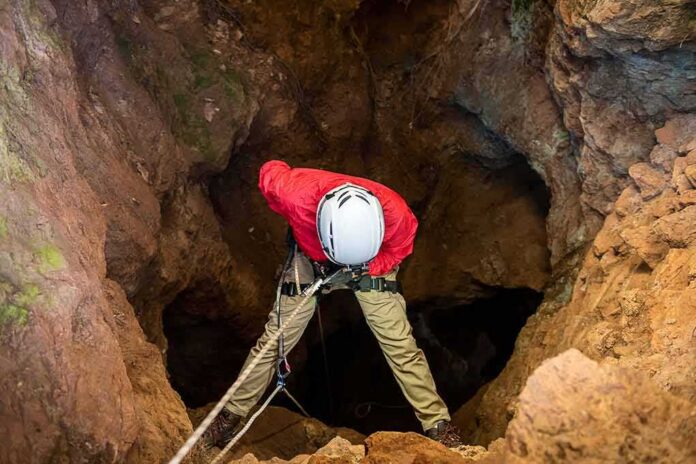
The world’s deepest known cave plunges over two kilometers straight down—an “Everest of the Deep” that demands grit, precision, and old-school courage to reach.
Story Highlights
- Russian explorers measured Veryovkina Cave to 2,212 meters deep in 2018.
- National Geographic reported the same terminal sump depth at 7,257 feet.
- Later surveys list 2,209 meters, showing how methods can shift rankings.
- The record underscores human toughness and careful, accountable science.
Record Depth Reached and Documented
Guinness World Records states that in March 2018, a Russian team led by Pavel Demidov and Ilya Turbanov reached the bottom of Veryovkina Cave in Abkhazia, north-west Georgia, measuring a total depth of 2,212 meters. That figure stands as the benchmark many outlets cite when they call it the deepest known cave on Earth. The 2018 expedition reached a terminal sump that set the mark and framed future debate over depth methods and mapping precision.
National Geographic described that same 2018 push to the water table, reporting a depth of 7,257 feet, which converts to 2,212 meters. That outside confirmation backed the measurement and the achievement. The journey involved near-freezing water, vertical shafts, and total darkness. Teams established camps, fixed lines, and timed moves to avoid floods. The job demanded disciplined planning, strong fitness, and a no-drama mindset that kept people alive during a four-day descent and climb out.
Why Numbers Shift in “World’s Deepest” Rankings
Some later lists and references show Veryovkina at 2,209 meters. That lower figure comes from updated surveys and how teams count a flooded sump at the bottom. Small changes in entry elevation or sump treatment can move totals by a few meters. That is not scandal; it is the nature of hard field science where tools, models, and on-site data improve over time. The 2,209-meter figure appears in widely read references and shows the record can be refined.
Context matters for readers who want clear facts, not hype. Caving records often hinge on precise endpoints, water levels, and survey lines. As methods sharpen, rankings can flip between nearby systems. In this case, 2,212 meters stands on the 2018 descent, while 2,209 meters reflects later adjustments. Both numbers point to the same truth: Veryovkina is a staggering vertical world that tests skill and resolve. Careful reporting should mark which method each number reflects.
Grit, Order, and Accountability Underground
Veryovkina rewards discipline, not buzzwords. Expedition leaders coordinate logistics, verify maps, and respect limits. They train for cold shock, plan for rising water, and set firm go or no-go calls. That mindset mirrors what works above ground: clear roles, measured risk, and responsibility for results. The cave does not care about politics. It favors order, preparation, and honest measurement—values that build strong families, strong teams, and a strong nation that tackles hard jobs and tells the truth about outcomes.
For readers who grew tired of spin, this story is refreshing. The 2018 depth is on record with matching outside reporting. The later 2,209-meter figure shows that real science tightens numbers instead of moving goalposts. The lesson is simple: when we reward skill, verify claims, and keep emotion in check, we get progress. Veryovkina is not only a marvel of nature. It is a case study in how careful work and personal responsibility push boundaries without breaking trust.
Sources:
mirror.co.uk, guinnessworldrecords.com