A Reagan-appointed federal judge again struck down Texas’ SB 12, saying it violates the First Amendment and even cited Dolly Parton to show how vague the law is.
Story Highlights
- A federal judge ruled SB 12 unconstitutional and blocked enforcement statewide again.
- The court said the law chills free speech protected by the First Amendment.
- Texas leaders frame SB 12 as a child-protection law targeting erotic shows, not “drag” by name.
- Appeals courts previously let parts take effect, so more litigation is likely.
What The Judge Decided And Why It Matters
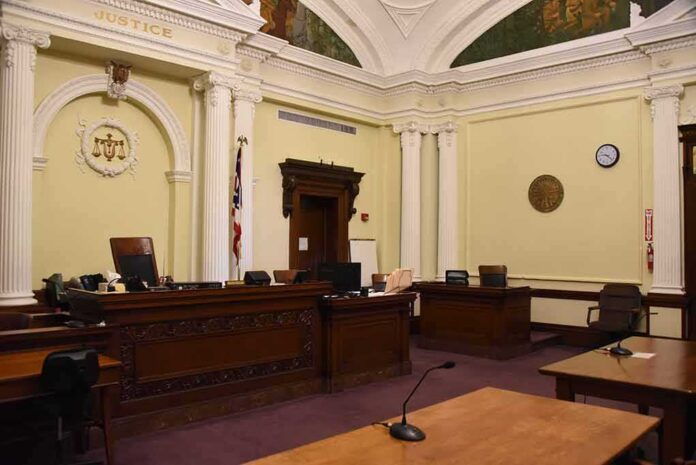
U.S. District Judge David Hittner again found Texas Senate Bill 12 unconstitutional, saying it “impermissibly infringes on the First Amendment and chills free speech.” The ruling enters a permanent injunction that bars the state from enforcing the law across Texas. The judge’s prior order from 2023 reached the same bottom line, and advocates say the court identified several independent constitutional flaws, including vagueness and overbreadth that risk criminalizing protected performance.
The judge’s new order drew attention because it cited Dolly Parton while explaining the statute’s vagueness, underscoring how unclear terms could sweep up mainstream, non-erotic performance or attire. The court explained that unclear definitions invite arbitrary policing of speech. That is why the First Amendment requires precise lines, especially when criminal penalties hang over artists, venues, and even promoters who book shows.
How SB 12 Works And What Supporters Say
Texas officials argue SB 12 is a child-protection measure that regulates “sexually oriented performances” in public or in front of minors, not drag as such. Supporters point to the statute’s focus on nudity, sexual conduct, and prurient appeal, and say the goal is to keep children from explicit shows, wherever they occur. Attorney General Ken Paxton has said he will always work to shield children from erotic and inappropriate performances and to defend the law in court.
The problem, according to the court and the challengers, is that SB 12 is written so broadly that it can reach protected expression and normal costuming, not just explicit conduct. Civil-liberties groups say the undefined phrase “visual performance” and other open-ended terms invite selective enforcement and self-censorship by artists and venues. The judge agreed that these features burden speech and deter lawful shows before any clear line is tested in court.
Appeals Whiplash And What Comes Next
The legal path has been bumpy. After the 2023 district court win, the United States Court of Appeals for the Fifth Circuit later vacated the injunction, said the law targeted “sexually oriented” and “erotic” performances, and allowed enforcement to resume in part. The Fifth Circuit then denied a rehearing request, and reporting said SB 12 could take effect in March 2026 while litigation continued. The new district ruling resets that fight and signals further appeals.
Judge channels Dolly Parton in blocking Texas drag show ban – The Washington Post https://t.co/jgEFhenNcw
— Logan R (@LoganinSanDiego) August 26, 2026
For conservative families, the stakes remain clear: protect kids from explicit content and keep government from policing lawful speech. Courts have consistently held that government can punish obscenity and exploitation, but must write narrow, clear laws when speech is involved. Expect Texas to keep pressing its child-safety case on appeal, and expect civil-liberties groups to keep attacking the law’s broad sweep. Until then, caution is wise for venues, cities, and parents tracking local enforcement.
Sources:
townhall.com, aclutx.org, texastribune.org, chron.com, glaad.org, texaspolicyresearch.com