
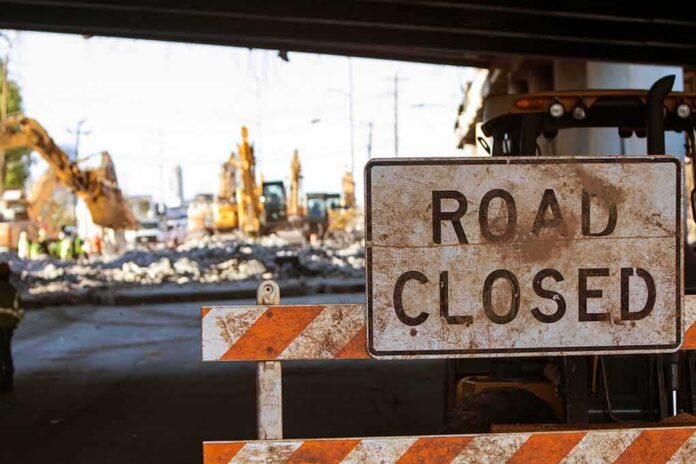
A 156-year-old Catholic landmark in Roseville, Michigan, is now rubble to make way for a Sheetz gas station, after years of closures, rezoning, and court fights.
Story Snapshot
- The parish closed in 2017; demolition began in late August 2026 after legal pushback.
- City leaders rezoned the property for business use in 2024 and later eased gas-station limits.
- Sheetz plans a 6,100-square-foot store with 14 fueling spots and food service.
- Local opponents called the site “sacred ground” and vowed appeals as work advanced.
What Changed: From Closed Parish To Commercial Zone
Roseville’s Sacred Heart Catholic Church sat closed since 2017, setting the stage for redevelopment years later. City officials moved the parcel from residential to business zoning in January 2024 after planning approvals, opening the door to nonresidential use. In mid-2026, the City Council amended rules on vehicle service centers and lifted a moratorium, which cleared the final regulatory path for Sheetz to proceed with a fuel station and convenience store at the site.
Demolition started in late August 2026 following months of public pushback and litigation against the project. Reports said hazardous materials were removed from some buildings before teardown began, which indicates an orderly process under safety rules. Sheetz’s public affairs manager said crews began work at the former church and called it a major step toward the store’s opening over the next several months, confirming an active build timeline tied to local approvals.
What Sheetz Will Build And When It May Open
Project details show a modern, high-traffic plan. Reports say Sheetz will build about 6,100 square feet of retail space with 14 fueling positions, indoor and outdoor seating, and touchscreen food kiosks. Coverage indicates construction is slated to continue through the coming months, following demolition and site prep. The development replaces a shuttered parish and aims to deliver convenience retail and fuel service on a key corridor, now aligned with the business zoning granted by the city.
While the redevelopment is legal under current zoning, the plan remains emotionally charged. Neighbors and preservation backers spent months trying to stop the wrecking ball and argued the site should be saved or repurposed. One opponent said the church was “sacred ground” with historic and spiritual value, and pledged to appeal after a court loss. Their case highlights a wider trend where closed churches face hard choices between preservation costs and new private uses.
How Local Government Decisions Shaped The Outcome
City actions were decisive. The council’s 2024 rezoning from residential to business gave developers a green light for commercial ideas at the former parish campus. In July 2026, the city updated its ordinance on vehicle service stations and lifted a broader gas-station moratorium, a move that the Detroit Free Press reported did not stop the Sheetz plan and in fact clarified the rules for projects like this one. Those steps formed the legal backbone that survived later court challenges and protests.
A century-old church in Michigan is being demolished and will be replaced by a 24-hour gas station and convenience store.
The former Sacred Heart Catholic Church in Roseville closed in 2017, although the parish’s history dates back to 1861. The property was later sold for… pic.twitter.com/J1Veml0qSd
— Architecture Hub (@archpng) September 23, 2026
For conservatives, the lesson is clear: process and local power decide what gets built. The church’s long history stirred deep feelings, but the property had been closed for years, and the city set policy to bring in a new business use. Residents who want to save landmarks need early engagement at planning, zoning, and ordinance stages, plus clear funding for upkeep. Without that, closures drift toward demolition, and national chains move fast to fill the gap.
Sources:
lifesitenews.com, fox2detroit.com, clickondetroit.com, macombdaily.com, audacy.com, freep.com, ground.news