Finland’s top diplomat just urged Europe to shut the door on Russian tourist visas until Moscow ends its war.
Story Highlights
- Finland’s foreign minister called for an EU-wide stop to tourist visas for Russian citizens.
- The proposal cites ongoing war and security risks across Europe.
- Some European Union countries and officials resist a blanket ban on legal and humanitarian grounds.
- European Union rules already slow visas for Russians but stop short of a full ban.
Finland Calls For An EU-Wide Tourist Visa Stop For Russians
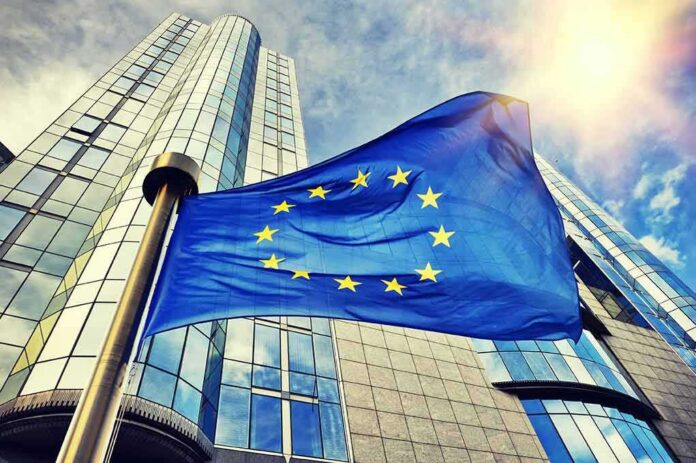
Finland’s Foreign Minister Elina Valtonen urged all European Union countries to stop issuing tourist visas to Russian citizens until Russia ends its invasion of Ukraine. She asked the European Commission to tighten guidance and back changes to European Union law to enable a clear ban on tourist travel. Finland framed the move as a moral stand and a security step while the war continues. The call came in an official government communication and was echoed in European press reports.
Finland said the goal is pressure on the Kremlin and fewer chances for hostile activity on European soil. Finnish statements and regional reporting linked the push to sabotage risks and hybrid threats that can hide among civilian travel. Finland already cut its own tourist visas to near zero after 2022 and wants a single European Union line so Russians cannot route around national limits by applying in other states. That would make policy firm, fair, and easier to enforce across borders.
What European Union Law Does Today And Why A Full Ban Is Hard
The European Union already suspended its visa facilitation deal with Russia in 2022, which slowed processing, raised fees, and increased checks for Russian applicants. That move tightened controls but did not block all tourist visas. The European Commission guidance stresses stronger screening, border checks, and case-by-case review. It says member states must still allow humanitarian exceptions and follow asylum law. A total, automatic ban would go beyond current policy and may need legal changes.
Several European Union leaders and institutions have warned against a blanket nationality-based ban. Reports cite German Chancellor Olaf Scholz’s concern that it would punish people who are not responsible for the war, and Commission officials who point to legal and humanitarian duties. European rules allow narrow humanitarian visas for dissidents, journalists, and people under threat. Those safeguards could clash with a total tourist shutdown if not carefully written into any new law.
Security Stakes Versus Humanitarian Access
Finland argues that stopping tourist visas would reduce risks from Russian intelligence and sabotage networks that might exploit travel. Backers say uniform rules would close loopholes and show unity while Russia keeps attacking its neighbor. Critics answer that hostile actors do not rely on ordinary tourist channels and that blanket rules can trap people fleeing repression. Advocacy groups say sweeping nationality bans risk breaking European Union visa code principles and hurting civil society under pressure.
European reporting shows notable countries, including France, Spain, and Italy, have resisted a full tourist ban. Their stance underscores a real split: front-line states want hard limits, while others prefer tougher checks without closing every door. For now, the shared baseline remains slower visas, more scrutiny, and border vigilance. Shifting to a legal, full tourist stop would require agreement among members and would need to build in humanitarian lanes to survive court tests.
Why This Matters For U.S. Readers Who Value Security And Borders
Europe’s debate echoes what many Americans know well: open doors invite risk when an adversary exploits travel. Finland’s push puts security first and demands a clear rule everyone can enforce. That message aligns with strong borders, accountability, and common sense. The counter-case raises a valid point about protecting dissidents and family ties. The path forward likely means tight limits on leisure travel, firm vetting, and narrow, verified exceptions for people in real danger, not loopholes for abuse.
We must stop issuing tourist visas for Russian citizens across the EU.
I have invited other EU Member States to join a letter addressed to the European Commission. I am calling for a complete EU ban on Russian tourist visas for as long as Russia continues its war of aggression.…
— Elina Valtonen (@elinavaltonen) October 12, 2026
President Trump has pressed for an end to the war and for energy stability, but Russia continues strikes and pressure. Finland’s move shows allies still seek new levers to curb Moscow’s reach while protecting their streets. Europe will now weigh firm security steps against legal duties. The outcome will signal whether the European Union chooses a single hard line on Russian tourism or sticks with slower visas, heavy screening, and rare, controlled exceptions.
Sources:
insiderpaper.com, iltalehti.fi, yle.fi, delfi.lt, kyivindependent.com, unn.ua, europarl.europa.eu, commission.europa.eu, consilium.europa.eu