
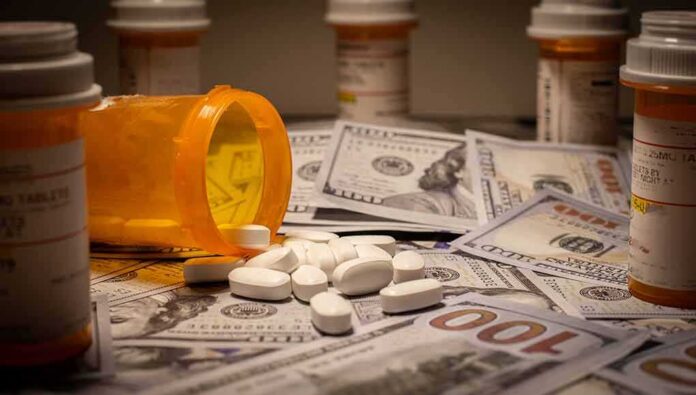
Mark Cuban used a live Reuters forum to push transparent drug pricing and demand lower barriers for cheaper generics, challenging the middlemen that drive up costs for families.
Story Snapshot
- Cuban promotes a simple, public formula to price generics and cut out middlemen.
- Reuters notes his goal is to disrupt high drug prices with direct purchasing.
- Federal reports show drug prices in the United States run far higher than abroad.
- Cuban urges relief from federal generic drug fees to speed competition.
What Cuban Said About Prices and Transparency
Mark Cuban told Reuters that his online pharmacy sells generic medicines using a clear rule: the cost the company pays, plus a 15 percent markup, with set fees for labor and shipping. The company’s own policy page explains the math in plain terms and shows the add-on amounts so buyers can see every charge. Cuban argues this openness helps break the hold of middlemen and rebating games that hide the real price from patients and employers.
Reuters described Cuban’s effort as a direct challenge to high drug prices through transparency and direct purchasing, not secret discounts. The model aims to bring basic market pressure back to common medicines. When patients can see the real cost, they can compare and choose. That forces sellers to compete. For seniors on fixed incomes and families battling inflation, every dollar matters at the pharmacy counter.
How Middlemen and Misaligned Incentives Inflate Costs
Health policy research has flagged the role of pharmacy benefit managers in raising list prices through contracts that reward higher sticker prices and larger rebates, rather than lower net costs. Government investigators reported that large pharmacy benefit manager affiliates capture a growing share of specialty drug revenue and can profit from “spread pricing,” where they charge plans more than they pay pharmacies. These practices make it harder for small pharmacies and patients to win on price, even when a cheaper generic exists.
That is why a simple, posted price matters. It limits room for hidden spreads and shell games. Patients are not policy insiders. They want to know what a pill costs and why. A visible formula gives them that power. It also helps employers and unions pick plans that do not reward high list prices. Cuban’s pitch aligns with this push for straight talk and basic fairness in a market that often favors the biggest players.
The Bigger Picture: U.S. Prices vs. The World
Independent studies show the United States pays far more for medicines than other wealthy countries on average. RAND researchers found U.S. prices were 2.78 times those in 33 nations across all drugs, with brand drugs even higher. That gap strains family budgets and federal programs. While many unbranded generics can be cheap, patients still get hit when brand medicines face little competition. More honest pricing and faster generic entry can ease that pain.
Transparency alone will not fix every price gap, but it is a start. When buyers see costs and markups, they can choose better options and push plans to follow. For conservatives, this is common sense: open markets, clear rules, and real competition. It also respects taxpayers who fund Medicare and veterans’ care. Every dollar saved on a proven generic is a dollar not wasted in a maze of rebates and spreads.
Cutting Red Tape to Speed Generic Competition
Cuban has asked the Trump administration to ease federal fees that generic makers face when filing for approval. Those fees can run into the hundreds of thousands of dollars per application, creating a barrier for new entrants and smaller plants that could boost supply and drive down prices. Lower fees, paired with tough quality standards, could invite more competition and reduce shortages that raise prices for patients.
Federal notices show the government sets and updates these fees each year for applications and facilities. The current levels are significant for smaller firms that want to bring a cheaper copy to market. Easing this load, while keeping safety strong, would let American producers compete and reduce reliance on foreign supply. That is a win for patients, a win for national resilience, and a win for free enterprise that delivers value, not bloat.
Sources:
youtube.com, mercer.com, beckersphysicianleadership.com, fda.gov, reuters.com, rand.org, academic.oup.com