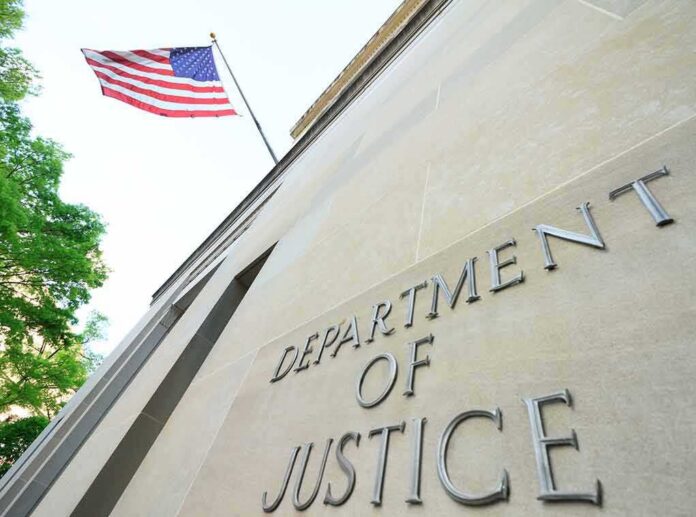
A U.S. superseding indictment names Raúl Castro for four Americans’ murders in the 1996 Brothers to the Rescue shootdown, signaling long-awaited accountability for a regime that targeted civilians.
Story Highlights
- The U.S. Department of Justice charged Raúl Castro with conspiracy and four counts of murder tied to the 1996 shootdown.
- International findings say Cuban fighter jets destroyed two civilian planes over international waters without warning.
- The victims—four U.S. nationals—are identified by name in the charges.
- Cuba still claims border defense, but the United Nations condemned the use of weapons against civil aircraft.
What The New U.S. Charges Say About Castro And The 1996 Shootdown
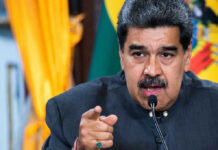
The U.S. Department of Justice unsealed a superseding indictment charging Raúl Modesto Castro Ruz for his alleged role in the chain of command behind the February 24, 1996 shootdown of two civilian Cessna planes flown by Brothers to the Rescue. Prosecutors list conspiracy to kill United States nationals, destruction of aircraft, and four murders. The filing names the victims as Carlos Costa, Armando Alejandre Jr., Mario de la Peña, and Pablo Morales, anchoring the case in specific lives lost.
Prosecutors say Cuban fighter jets operated under a command structure overseen by Castro when they fired on the unarmed planes. The government’s narrative alleges a coordinated intercept that ended with missiles tearing down civilian aircraft. The indictment is a charge, not a conviction, and Castro is presumed innocent. Still, the counts place direct responsibility within a defined hierarchy that the government says led to the deaths of four Americans.
Independent International Record: Civilian Planes Shot Down Outside Cuban Airspace
The international record backs up the core facts about where and how the planes were destroyed. The United Nations Security Council condemned the use of weapons against civil aircraft and called for compliance with aviation law after the shootdown. The International Civil Aviation Organization later found that the Cuban Air Force attacked the planes over international waters and did not provide proper warning before firing, violating aviation rules.
These findings matter because they separate politics from facts. The record identifies the aircraft as civilian and places the shootdown beyond Cuban territorial airspace. That gives weight to the U.S. case that Americans were killed unlawfully. The United Nations condemnation and the technical review are not partisan statements. They reflect aviation standards the free world relies on to keep people safe in the sky.
Cuba’s Defense And The Open Questions About Direct Orders
Cuba has long argued it was defending its borders from repeated incursions. Cuban officials say the planes violated Cuban airspace and ignored warnings, and they frame the response as sovereign defense. Those claims run into the international findings that the attacks occurred over international waters and without required steps to warn or direct the planes to land. That clash leaves a clear legal fault line that favors the aviation rules, not the guns.
One key question remains about direct orders and personal intent. The public record does not show a signed order from Raúl Castro or a tape of him giving the command. That is why the indictment leans on chain-of-command responsibility and conspiracy law. Castro’s reported role over the forces involved is the bridge prosecutors use to reach him. That approach is common in cases where senior leaders act through subordinates, especially decades after the event.
Why This Matters For Justice, Deterrence, And American Strength
This case is about four Americans who never came home. It is also about whether tyrants can shoot down civilian planes and hide behind politics. The charges tell rogue regimes that the United States will track crimes against our citizens, even years later. The United Nations record and aviation findings give moral clarity here: civilians in unarmed aircraft deserve protection, not missiles. That standard protects families, missionaries, and rescue groups across the world.
Florida families have pressed for justice for decades. The new indictment answers them with action and law. The road ahead is not easy. Extradition is uncertain, and a trial may be hard given the years passed. But the message is simple: America remembers its dead and stands up for the rule of law. President Trump’s Justice Department has put the case on the record. Now the system must do its work, step by step, in daylight.
Sources:
insiderpaper.com, justice.gov, press.un.org