DHS Secretary Markwayne Mullin says intelligence briefings flag Iranian threats against President Trump and his family every day, with hostile drones a top concern.
Story Highlights
- Mullin says daily intelligence cites Iranian threats, with Trump and his family as top targets.
- Israeli media reportedly warned of a possible explosive-drone plot; Mullin emphasized counter-drone defense.
- DHS is treating unmanned aircraft as its number one issue to protect high-profile targets and large events.
- Officials say the United States is prepared, even as Iran-linked threats against U.S. sites continue.
Mullin’s Briefing: Daily Threats and Priority Targets
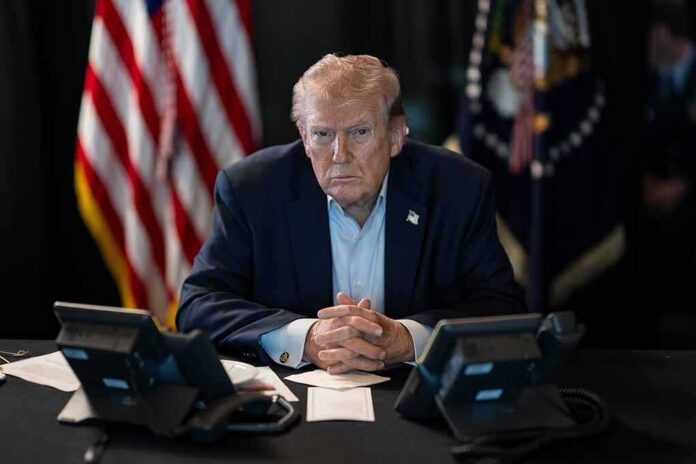
Homeland Security Secretary Markwayne Mullin said presidential briefings report Iranian “aspirational threats” every day and named President Trump and his family as “target number one”. He spoke on Fox News and tied the warnings to recent reporting about drones. He said agencies monitor threats constantly and adjust protective measures as needed. He did not disclose classified details. He framed the issue as active risk management, not alarmism. He said daily vigilance remains necessary.
Fox News reported that Mullin’s remarks followed Israeli media claims about a possible Iranian plan to use explosive-laden drones against Trump. Mullin did not confirm that specific plot but stressed that countering hostile drones is his “number one issue” at the department. He cited the rapid spread of drone technology and the risk to public venues. He said teams are aligning detection, response, and coordination. He added that agencies watch the threat stream closely every day.
Counter-Drone Defense: Protecting Leaders and Crowds
Mullin highlighted growing drone risks at large gatherings like major sports events and public ceremonies. He said the department is focused on detection and defeat tools that work in dense urban areas. He pointed to the need for tight teamwork with the Secret Service, state and local police, and the Federal Aviation Administration. Government reviews have warned that counter-drone tools can have limits in crowded skies and may create false detections or short engagement ranges. Those realities shape policy and training.
Officials also described ongoing military defense against Iranian-linked attacks in the region. Reporting said air defenses stopped an Iranian Revolutionary Guard drone strike aimed at U.S. radar sites in Bahrain, with no injuries or damage. That incident underscores why U.S. security professionals treat drone threats seriously at home. The goal is to keep any similar tactic from threatening the president, his family, or public spaces. Mullin said the United States is well prepared while staying alert.
Why This Matters to Public Safety and National Resolve
Iran and its partners have a track record of threatening U.S. officials and interests since 2020, including plots and public rhetoric naming Americans as targets. That record supports stronger defenses around top leaders and at major events. It also supports broader law enforcement work against state-backed operatives. Mullin’s focus lines up with past warnings that small drones can be cheap, fast to deploy, and hard to spot, especially in low flights over cities or crowds.
For families, churches, and small businesses, the point is simple: bad actors want to scare Americans away from normal life. The answer is layered security, firm rules, and constant practice. President Trump’s team is treating the risk as real but manageable. Agencies are training together, updating gear, and protecting movement routes. Mullin’s message is steady and direct. The threat exists. The teams are ready. Daily vigilance keeps the president, his family, and the public safe.
Sources:
foxnews.com, cia.gov, cbsnews.com, gao.gov