A global oil shock tied to the Iran war just slammed Chilean families with historic fuel hikes, rattling the new president’s standing at home.
Story Snapshot
- Chile lifted fuel prices sharply after oil spiked following the Iran war and shipping strains.
- Government measures passed the oil surge to consumers, citing limited fiscal room.
- Protests and political pressure rose as diesel and gasoline costs jumped.
- Economic research shows import‑price shocks often trigger unrest and hit incumbents.
Chile Moves To Pass Global Oil Shock To Pump Prices
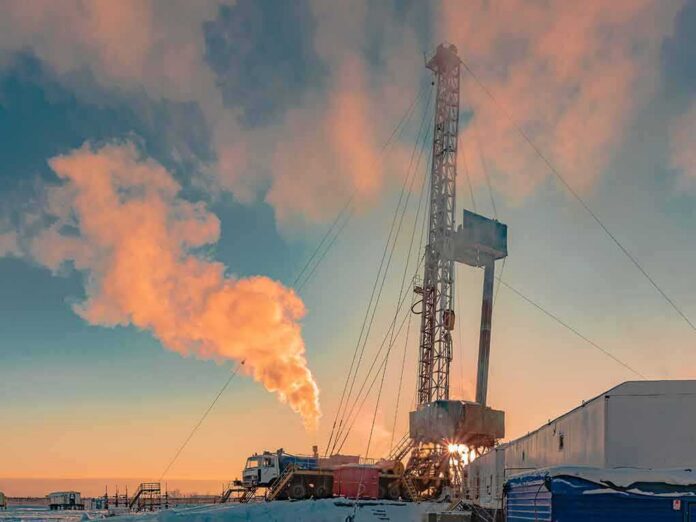
Chile’s Finance Ministry announced large increases in gasoline and diesel after global oil prices jumped in the wake of fighting tied to Iran and a squeeze on the Strait of Hormuz. Brent crude traded near $101 per barrel, up from about $70 before recent military actions, prompting Chile to hike 93‑octane gasoline and diesel prices starting March 26. Officials said the country could not fully shield consumers given the size of the spike and Chile’s reliance on imported fuel.
President José Antonio Kast defended the move as a necessary response to war‑driven costs, arguing that the shock had to pass through rather than drain public accounts. Local and international outlets reported gasoline increases around the 30 to 40 percent range and diesel increases above 60 percent as the measures took effect. Lines formed at stations ahead of the change, and the jump fed broader concern about transport costs and food prices in the weeks ahead.
Why Chile Felt The Pain Faster Than Others
Chile produces little oil, imports most of its fuel, and uses a fuel‑stabilization rule to soften price swings, not erase them. When global prices soar, the mechanism either costs the budget more or allows higher prices at the pump. The government loosened the brakes to protect the budget after the Iran war lifted crude and strained supply routes, which forced visible increases for drivers and truckers. Reuters noted Chile was among the hardest hit in the region under these conditions.
Global policy moves tried to cool prices, but they could not fully offset war effects. Members of the International Energy Agency announced a record emergency release of strategic oil reserves to ease the surge. The step aimed to add supply and steady markets, but crude still traded far above pre‑war levels as disruptions and risk premiums lingered. That gap explains why Chile’s shield could not hold and why consumers faced higher pump prices despite the release.
Political Whiplash: Protests And Approval Trouble
Street noise picked up fast after the hikes. Reports described pot‑banging protests in major cities and early pressure on the administration as truckers and commuters absorbed the new costs. Political science research links import‑price shocks to higher media focus on fuel, more non‑violent protest, and tougher odds for incumbents. Chile’s experience tracked that pattern as the price pass‑through became a stress test for the new government’s support. Kast framed the choice as fiscal realism, not a populist fix.
The Iran War Is Sinking Chile’s New President
José Antonio Kast entered office with a commanding mandate. An overseas conflict ended his honeymoon in two weeks.@JosephAddington @amconmag https://t.co/Rk1EGZGMnn
— Curt Mills (@CurtMills) August 18, 2026
Market fallout also reached monetary policy. Analysts said the central bank would likely pause planned rate cuts because the oil jump risked new inflation pressure. That pause could slow a hoped‑for recovery and keep borrowing costs higher for longer. In short, a war‑driven oil spike pushed a chain reaction: higher diesel and gasoline, louder protests, and a tougher policy path. The scale of Chile’s import needs made that chain faster and harder to avoid.
What This Means For American Readers
Energy security still decides who holds the line when crises hit. Countries that depend on foreign oil take the pain first when bad actors choke supply lanes. Chile’s shock shows how quickly household budgets and food prices can swing when tankers slow and premiums rise. For the United States, this is a reminder: strong domestic production, clear permitting, and steady pipelines keep families working and free. When supply is tight, citizens pay, and instability grows abroad and at home.
Leaders face a simple choice in hard times: hide the cost with debt and subsidies, or admit the price and protect the books. Chile chose to pass the cost now, not dig a deeper fiscal hole. That is a hard message, but it is honest. Research says oil shocks punish sitting leaders. Policy that cuts red tape, boosts reliable energy at home, and keeps trade routes open is the best shield against the next crisis.
Sources:
theamericanconservative.com, reuters.com, worldpoliticsreview.com, riotimesonline.com, energynews.oedigital.com, cnnespanol.cnn.com, elpais.com, en.mercopress.com, funpacifico.cl, cmepr.gmu.edu