The Trump administration’s DOJ has officially declared there is no Epstein client list or blackmail archive, but the backlash from Trump’s own base suggests the controversy is far from over.
At a Glance
- The DOJ and FBI have officially closed the Epstein investigation, denying any client list exists.
- Elon Musk accused Trump of being linked to Epstein, then deleted his claim.
- Right-wing media figures are calling the closure a government cover-up.
- The public’s demand for transparency persists despite the investigation’s conclusion.
Trump’s DOJ Declares Epstein Case Closed—Nobody’s Convinced
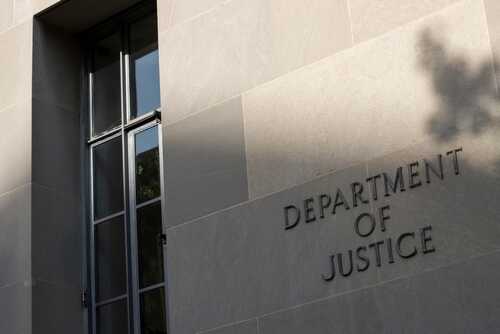
The Department of Justice under President Trump has officially closed the investigation into Jeffrey Epstein’s alleged network of elite clients, stating definitively that no “client list” or blackmail operation was ever found. The announcement included a public memo and select surveillance footage, intended to put to rest years of speculation surrounding Epstein’s connections and the circumstances of his death. Officials reaffirmed that the evidence does not support the theory that Epstein was murdered or that his island hosted a covert operation to trap powerful figures.
Yet, far from settling the matter, the declaration has reignited public skepticism—especially among Trump’s supporters who had expected the administration to expose elite wrongdoing. The frustration is compounded by the fact that, for many, this was the administration poised to deliver justice where others had failed. Trump’s base had long championed the demand for transparency around Epstein, and the official conclusion felt less like closure and more like capitulation to the very forces they opposed.
Watch a report: MAGA outraged by Trump admin’s handling of Epstein files
Musk’s Claims and Conservative Media’s Outrage
Fueling the fire was a deleted social media post from Elon Musk, who publicly alleged that Trump himself was connected to Epstein’s files. Although the post was quickly removed, it had already spread widely, prompting renewed speculation and conspiracy theories across digital platforms. Right-wing commentators, including Tucker Carlson, seized on the moment, amplifying claims of a cover-up orchestrated by the government regardless of party affiliation.
This narrative has only deepened the disillusionment among populist conservatives. They expected the Trump administration to “drain the swamp,” but instead they see familiar patterns of secrecy and elite protectionism. Politico’s coverage of the investigation’s conclusion notes that the DOJ’s findings are unlikely to persuade a public already distrustful of government transparency on high-profile scandals.
The perception that even a Trump-led DOJ cannot—or will not—expose the elite connections in the Epstein saga is a stark blow to the populist narrative. This has led to a wave of criticism not just of the DOJ and FBI, but of Trump himself, from within the conservative media sphere that once championed his anti-establishment ethos.
The Fallout: Trust in Institutions Further Erodes
With the DOJ insisting the Epstein case is closed, no further prosecutions are expected beyond the conviction of Ghislaine Maxwell, who remains incarcerated. But the court of public opinion remains active and skeptical. For many Americans, especially on the right, the Epstein case has become emblematic of a broader crisis: the belief that the powerful are shielded from accountability no matter who is in office.
This widening gap between official narratives and public belief highlights a deeper erosion of trust in political institutions. The release of documents and video clips was meant to provide clarity, yet it has only fueled accusations that the government selectively controls information to protect itself and its allies. As conspiracy theories persist and media scrutiny intensifies, the Epstein saga remains a potent symbol of elite impunity—a story that, for many, is anything but finished.