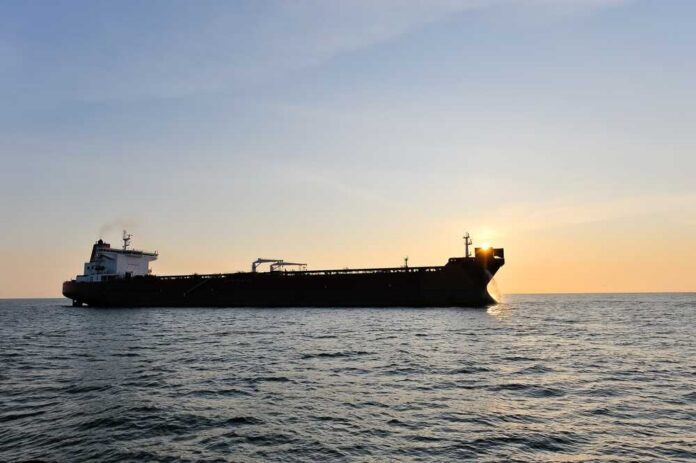
Global shipping unions and companies now treat the Strait of Hormuz like an active war zone, even as diplomats talk ceasefires and reopening.
Story Snapshot
- Key maritime unions have formally labeled the Strait of Hormuz and nearby waters a **Warlike Operations Area**, the highest risk category.
- This upgrade gives crews extra pay and the right to refuse sailing, and many ships have already stopped transiting the strait.
- Iran has used threats, attacks, and selective closures of the strait to pressure the world and charge de facto tolls on shipping.
- New ceasefire deals say the waterway is “open,” but unions still insist conditions look and feel like war for seafarers.
Unions Declare Hormuz a Warlike Operations Area
International shipping unions have taken the unusual step of formally declaring the Strait of Hormuz, the Gulf of Oman, and the wider Persian Gulf a **Warlike Operations Area**, their highest danger rating. This came only days after they first labeled the region a High Risk Area, showing how fast the situation escalated. The unions say military activity is rising and merchant ships are now treated as tools in a wider conflict, not neutral trade. For ordinary crew members, that means war-zone rules now apply.
Under these war-zone rules, seafarers working under International Bargaining Forum deals gain strong rights and money protections. They can refuse to sail into the area and return home without losing their jobs, or choose to sail and receive a 100 percent bonus on their basic pay while in the zone. Compensation in case of death or serious injury is doubled, and shipowners must adopt the highest security posture allowed under global maritime codes. Unions argue these steps are needed because crews are “caught in the crossfire” of power politics.
Traffic Collapse and Iran’s Grip on a Vital Chokepoint
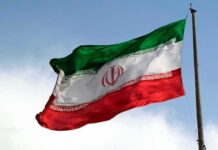
The Strait of Hormuz is one of the world’s most important energy chokepoints, carrying a huge share of global oil every day. Recent strikes by the United States and Israel against Iran, including the killing of Iran’s top leader, turned that narrow passage into a central theater of war. Iran’s Revolutionary Guard then warned ships not to pass and later announced closure to traffic linked to the United States, Israel, and allied ports. Tanker movements dropped about 70 percent and then fell close to zero as shipowners pulled back.
Legal experts say Iran has gone beyond simple warnings and now uses control of the strait as a weapon. Iran has allowed limited passage for “friendly” or neutral countries, sometimes under tight supervision and alleged payment, while blocking or threatening others. That kind of selective access and use of attacks, drones, and mines turns a legal right of transit into a political toll system. Under the law of the sea, any sustained disruption or deliberate danger that scares ships away is a violation of navigation freedom, even if Iran claims the strait is technically “open.”
War-Risk Clauses, Safe Ports, and the Master’s Call
Shipping contracts include war-risk clauses that matter a lot in this crisis. Legal guides explain that “warlike operations” do not need a formal declaration of war; repeated strikes, threats, and blockades can trigger those clauses on their own. When war risks reach a certain level, an owner can refuse orders to enter dangerous waters if the ship’s master reasonably believes the vessel, crew, or cargo may be harmed. That judgment must be based on facts at the time, not wishful thinking or political spin.
Some contracts also promise “safe port” access, and that duty collapses if a port or route is exposed to serious war risks. In the Hormuz crisis, attacks on merchant ships, Iranian closures aimed at certain flags, and threats against commercial vessels all point to an unsafe route. As a result, carriers may have both a right and an obligation to divert for safety, even if it disrupts trade and angers politicians. For many conservative readers, this looks like one more example of how global instability and hostile regimes drive up energy costs for regular families.
Ceasefire Deals vs. On-the-Water Reality
Recent diplomatic news sounds more hopeful. Reports from Axios, Scripps News, and others say the United States and Iran reached an outline deal to extend a ceasefire and reopen the Strait of Hormuz. Draft texts call for Iran to “instantly” reopen the passage and for the United States to lift its naval blockade. President Trump has publicly announced the pathway for toll-free passage and framed the agreement as a step toward broader peace and possible nuclear talks.
Washington and Tehran intensified their diplomatic maneuvering as U.S. Envoys Steve Witkoff and Jared Kushner spoke with Qatari intermediaries in Doha, while reports suggest that the White House has reviewed plans for expanded military strikes. Iran's chief negotiator, Mohammad… pic.twitter.com/CIRM42z37C
— Jerusalem Dateline (@JlemDateline) July 1, 2026
But even with these statements, many experts and unions warn the ceasefire is fragile at best. Key players like Israel and Hezbollah are not party to the deals, and reports show Iran has at times reclosed the strait, blaming alleged violations. The Joint Maritime Information Centre still calls the security status in the Gulf “critical,” with attacks on shipping considered likely. Unions and shipowners therefore continue to treat the area as a war zone, saying seafarers face drones, seizures, and direct threats that have not gone away. For Americans, that means energy prices and global supply chains remain at the mercy of unstable agreements and hostile actors.
Sources:
insiderpaper.com, itfseafarers.org, gcaptain.com, lloydslist.com, rif.mer.gouv.fr, nautilusint.org, facebook.com, instagram.com, youtube.com, axios.com, scrippsnews.com, pbs.org, thehill.com