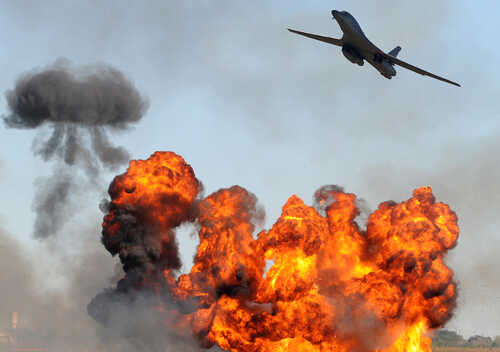
A double-tap strike is a military tactic where a second attack follows closely after the first, deliberately timed to hit rescuers, medics, or journalists rushing to aid victims, and it has become one of the most condemned practices in modern conflict.
At a Glance
- A double-tap attack consists of two strikes in quick succession on the same target
- The second strike typically endangers rescuers, civilians, and first responders
- International humanitarian law deems intentional targeting of medics unlawful
- Use of this tactic has been documented in Syria, Yemen, and Gaza
- UN officials and NGOs describe the practice as inhumane and potentially a war crime
The Mechanics of a Double-Tap
The concept of a double-tap strike is straightforward but devastating. An initial airstrike or shelling hits a target, drawing immediate attention from medical personnel, journalists, and civilians seeking to aid survivors. Minutes later, a second strike targets the same area, catching first responders and onlookers in the blast. The timing is calibrated to maximize human casualties rather than material destruction.
Military planners have historically argued that the method is intended to eliminate fighters who regroup after an initial strike or to ensure a target is fully destroyed. However, the practical effect is often the opposite of precision—it extends the zone of destruction to those least equipped for combat. Civil defense units, ambulance crews, and local residents rushing to help are placed directly in harm’s way.
Watch now: What is a ‘double-tap’ strike? · YouTube
Why It’s Widely Condemned
International humanitarian law provides clear protections for medical facilities, journalists, and civilians in conflict zones. The Geneva Conventions and their Additional Protocols prohibit intentional attacks on those providing aid, even in areas of active combat. Human rights organizations argue that double-tap strikes represent a deliberate attempt to exploit predictable patterns of human compassion and duty to save lives.
The tactic gained notoriety during the Syrian civil war, where both government and Russian forces were accused of repeatedly striking hospitals and civilian rescue teams in this fashion. Similar reports emerged from Yemen, where Saudi-led coalition airstrikes were documented hitting civilian convoys twice in quick succession. Most recently, the method has drawn attention in Gaza, where multiple incidents suggest first responders have been caught by second strikes.
Impact on Journalists and Humanitarian Workers
Journalists are among the most vulnerable to double-tap tactics. As they document the aftermath of an initial blast, the second strike has often killed or wounded members of the press. The Committee to Protect Journalists and Reporters Without Borders have repeatedly urged stronger enforcement of international laws safeguarding media workers, citing double-tap incidents as clear violations.
For humanitarian organizations, the tactic not only causes direct loss of life but also undermines the broader relief effort. Ambulance drivers and medics may hesitate to respond immediately, fearing that the site will be struck again. This delay increases mortality among the injured and deepens the atmosphere of terror in affected communities.
Legal and Ethical Debate
While militaries facing insurgencies often justify double-tap strikes as countermeasures against fighters who exploit civilian cover, international law takes a different view. The principle of distinction—requiring armed forces to separate combatants from non-combatants—remains central to humanitarian law. If evidence suggests rescuers or civilians were the intended targets, legal scholars warn that such actions could qualify as war crimes.
The United Nations has labeled the tactic as “deliberate cruelty,” and numerous NGOs have called for its explicit prohibition under international treaties. Although prosecutions for double-tap incidents remain rare, the mounting documentation by journalists, medical NGOs, and independent monitors continues to build a record that could shape future accountability efforts.
The Broader Consequence
Beyond the legal and military debates, the double-tap strike carries a profound psychological impact. Communities learn that even the instinct to help can be lethal. Journalists weigh the risk of documenting aftermaths. Rescue teams face paralyzing hesitation. In this sense, the tactic operates not just as a weapon of war but as a weapon of fear, eroding the fragile trust that sustains humanitarian response in conflict zones.
Sources
Human Rights Watch
International Committee of the Red Cross
Committee to Protect Journalists