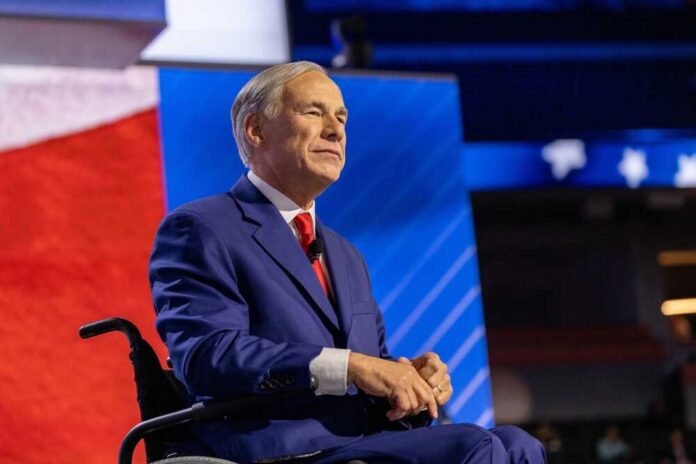
Houston City Council capitulated to Gov. Greg Abbott’s funding threats by gutting an ordinance originally designed to prevent police from becoming unpaid ICE agents enforcing immigration law without criminal warrants.
Story Snapshot
- Houston initially passed an ordinance limiting police detentions for ICE administrative warrants, citing Fourth Amendment protections against unreasonable seizures
- Gov. Abbott threatened to withhold over $100 million in state public safety funding unless the city complied with state immigration enforcement mandates
- Mayor Whitmire pushed amendments through in a 13-4 vote on April 22, 2026, restoring ICE cooperation to secure funding
- Critics say the reversal undermines constitutional protections and forces local taxpayers to fund federal immigration enforcement without compensation or training
Abbott’s Financial Pressure Forces Houston’s Hand
Houston City Council passed an amended immigration ordinance on April 22, 2026, reversing key protections after Gov. Greg Abbott threatened to withhold $114 million in state public safety funding. The 13-4 vote approved changes proposed by Mayor John Whitmire that broadened police detention authority for Immigration and Customs Enforcement purposes, backtracking from the council’s earlier 12-5 vote that had limited cooperation with ICE administrative warrants. The amendments took effect immediately as an emergency measure to restore threatened state dollars critical to Houston’s law enforcement budget.
Constitutional Rights Versus State Mandates
The original ordinance eliminated a 30-minute waiting period for ICE administrative warrants, emphasizing that police cannot detain individuals beyond what’s reasonably necessary for a traffic stop or minor offense unless a criminal warrant exists. Administrative warrants differ critically from criminal warrants because they lack probable cause review by a neutral magistrate, raising Fourth Amendment concerns about unreasonable seizures. Councilmember Alejandra Salinas and three colleagues opposed the amendments, questioning whether the revisions truly reaffirm constitutional protections or simply cave to state pressure. The Houston Police Officers’ Union opposed the original policy, warning it would create confusion and expose officers to lawsuits.
Local Control Surrenders to State Power
The amendments mandate legal cooperation with ICE, broaden detention criteria for “legitimate purposes,” and require quarterly HPD transparency reports on immigration interactions. Critics argue this effectively repeals Proposition A and reinstates policies that make local police perform federal immigration duties without additional training or compensation. Councilmembers who supported the original ordinance characterized ICE cooperation on administrative holds as wasteful of taxpayer resources, forcing Houston to do the federal government’s job. The power dynamic proved decisive: Abbott controlled the purse strings, and Whitmire’s administration prioritized funding over the progressive council members’ constitutional objections.
Familiar Pattern of State Overreach
This confrontation mirrors battles from 2017 to 2023 when Abbott withheld funding from cities like Austin over sanctuary policies, establishing a clear pattern where state officials leverage financial control to override local governance. Houston’s diverse population includes large immigrant communities who now face broader detention exposure despite initial council efforts to limit holds to individuals charged with Class B misdemeanors or higher offenses. The dispute extends beyond Houston, setting precedent for how Texas cities can resist or must submit to state immigration mandates, while reigniting national debates about whether administrative warrants hold constitutional validity in local policing contexts.
The outcome illustrates a frustrating reality for citizens across the political spectrum: elected officials appear more focused on preserving government funding streams and bureaucratic relationships than defending constitutional principles or local decision-making authority. Whether viewed as necessary law enforcement cooperation or unconstitutional federal overreach performed by local officers, the controversy underscores how state and federal mandates can override community priorities when financial leverage enters the equation. Houston taxpayers now fund immigration enforcement activities while risking legal costs from potential Fourth Amendment challenges, raising questions about who truly benefits from this arrangement beyond career politicians protecting their budgets.
Sources:
Houston Police ICE Interactions City Council – KHOU