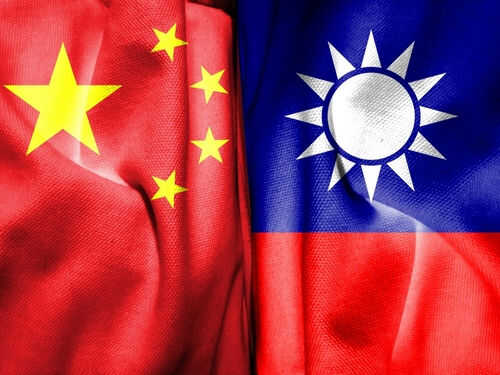
Xi Jinping’s diplomatic charm offensive with Taiwan’s opposition masks Beijing’s unyielding demand for reunification, threatening U.S. interests and free-world alliances under President Trump’s America First doctrine.
Story Highlights
- Xi hosts KMT leader Cheng Li-wun in Beijing—first such visit in a decade—bypassing Taiwan’s pro-independence DPP government.
- Beijing announces 10 economic incentives like eased tourism, resumed flights, and market access to lure Taiwanese businesses.
- Invasion prediction markets drop to 3% odds by June 2026, signaling short-term de-escalation but long-term integration risks.
- Taiwan’s DPP rejects overtures as coercive, amid $40 billion defense budget debate and U.S. arms support.
Xi’s High-Level Summit Signals Strategic Pivot
Chinese President Xi Jinping met Kuomintang Chairperson Cheng Li-wun at Beijing’s Great Hall of the People last week. Politburo members Cai Qi and Wang Huning attended, underscoring CCP commitment. Cheng framed his trip as a “Peace Journey,” advocating institutional arrangements to avert war. Xi proposed a four-point plan for “harmonizing minds” under one China, demanding rejection of independence and foreign interference. This marks the first KMT chair visit to Beijing in 10 years, reviving dormant party-to-party talks since 2015. The timing coincides with Taiwan’s legislature debating a $40 billion defense budget urged by Washington.
Beijing Rolls Out Economic Incentives to Woo Taiwan
Beijing unveiled 10 new measures immediately after the summit, easing tourism restrictions, resuming direct flights, facilitating agricultural exports, and granting Taiwanese businesses greater mainland market access. These build on 2015’s 31 measures for professionals, targeting economic integration. A new KMT-CCP communication mechanism accompanies the package. Taiwan’s executive dismissed them as a “same old fruit basket,” viewing incentives as coercive tools to undermine sovereignty. DPP President Lai Ching-te leads resistance, prioritizing independence over engagement. Businesses and farmers stand to gain short-term benefits, potentially swaying voters wary of conflict.
Power Plays: Bypassing DPP to Shape Taiwan Politics
Xi’s outreach deliberately sidesteps Taiwan’s ruling Democratic Progressive Party, leveraging the opposition KMT to isolate pro-independence forces. Cheng avoided endorsing reunification outright, pushing step-by-step dialogue instead. Beijing frames this as “peaceful development,” emphasizing inevitable reunification and unstoppable national rejuvenation. Prediction markets reflect skepticism, with China invasion odds at 3% by June 30, 2026—down from 4%. No PLA escalations reported. This dual strategy of inducements and pressure echoes historical patterns post-2016 DPP victories, when official ties were severed but backchannel outreach persisted.
U.S.-Taiwan defense ties, including recent arms sales, counterbalance Beijing’s moves. Trump’s second term prioritizes deterring aggression, yet diplomatic feints complicate deterrence. Conservatives see this as classic CCP deception—economic carrots hiding authoritarian ambitions that erode self-determination.
Xi Jinping Refocuses On Taiwan With Renewed Political Outreach https://t.co/G611r6UZ0L
— zerohedge (@zerohedge) April 18, 2026
Implications for U.S. Security and Global Order
Short-term, the pivot tests KMT influence ahead of elections, lowering immediate war risks while framing China as peaceful. Long-term, incentives foster gradual integration, making unification appear practical without invasion. Taiwanese voters confront divided narratives: KMT’s peace pitch versus DPP’s sovereignty defense. Sectors like tourism, aviation, and agriculture benefit, but defense faces scrutiny. For Americans, this underscores elite failures—decades of globalist policies weakened deterrence, emboldening Beijing. Both left and right agree: corrupt deep state priorities favor power over people, betraying founding principles of liberty and vigilance against tyranny. Trump’s GOP control offers leverage to reaffirm alliances.
Sources:
Xi Jinping Shifts Taiwan Strategy to Diplomacy, Invasion Odds Remain Low
What the Taiwanese Opposition Leader’s Recent China Visit Means for Taipei, Beijing, and Washington
China Tests a New Taiwan Strategy and a Peace Talk Reveals the Shift
Taipei Rejects Beijing’s Peace Framework Following Opposition Leader’s Meeting with Xi Jinping