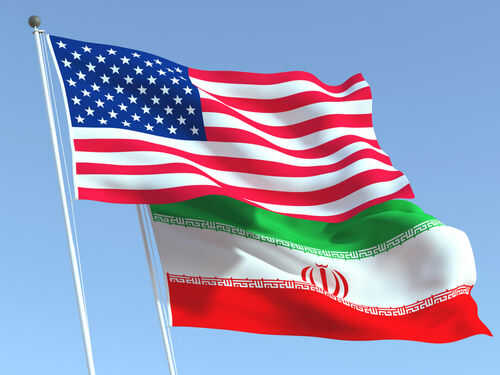
Internal Pentagon documents reveal the Trump administration’s Iran military operation could stretch through September 2026, contradicting the four-week timeline publicly promised to the American people.
Story Snapshot
- CENTCOM requested intelligence personnel for operations lasting through September, exposing a 100-day timeline versus Trump’s promised four weeks
- U.S. and Israeli forces struck over 1,000 Iranian targets in 24 hours, killing Supreme Leader Ali Khamenei and triggering regional escalation
- Defense Secretary Hegseth acknowledged operational uncertainty, admitting duration could range from three to eight weeks
- Former diplomat calls planning “completely ad hoc,” suggesting administration underestimated the conflict’s true scope
Pentagon Timeline Contradicts White House Messaging
U.S. Central Command submitted internal requests for additional intelligence personnel to support operations lasting at least 100 days through September 2026, according to Pentagon notifications obtained by Politico. The request directly contradicts the Trump administration’s public messaging characterizing the Iran conflict as a limited four-to-five-week campaign. This discrepancy raises serious questions about pre-war planning and whether administration officials fully understood the scope of military action they were authorizing against a regional power.
Operation Roaring Lion Strikes Iranian Leadership
On February 28, 2026, U.S. and Israeli forces launched coordinated strikes against Iran, with Israeli forces conducting their largest combat sortie in history. The operation eliminated Supreme Leader Ali Khamenei and other senior officials while striking over 1,000 military targets in the first 24 hours. Israeli Air Force deployed approximately 200 fighter jets delivering over 1,200 bombs across western and central Iran, while U.S. strikes utilized aircraft from regional bases and carrier strike groups. The Pentagon deployed the USS Gerald R. Ford and USS Abraham Lincoln to support the campaign, with tens of thousands of ordnance pieces delivered to the theater of operations.
Conflict Scope Expands Beyond Initial Projections
Iran responded to the strikes with drone and missile attacks across the region, killing six U.S. troops at a Kuwait port facility and expanding operations to include attacks on Gulf infrastructure. Tehran appointed Mojtaba Khamenei as the new Supreme Leader on March 8, who vowed to continue resistance. By early March, the conflict had drawn in Hezbollah from Lebanon and shifted from military to non-military targeting, including strikes on Dubai International Airport and Halliburton facilities in Basra. Iran’s Foreign Minister declared negotiations with the U.S. are “no longer on the agenda,” eliminating diplomatic off-ramps that might have shortened the conflict.
Defense Officials Acknowledge Operational Uncertainty
Defense Secretary Pete Hegseth publicly acknowledged the uncertainty surrounding operational timelines on March 5, stating duration “could be six, it could be eight, it could be three” weeks while emphasizing U.S. forces “set the pace and the tempo.” Former U.S. diplomat Gerald Feierstein characterized the operation as “completely ad hoc,” stating it appeared “nobody actually understood or believed that military action was imminent.” The administration’s shifting timelines—from four weeks to four-to-six weeks, while CENTCOM plans for 100-plus days—suggest gaps in pre-war preparation across multiple government agencies that should concern Americans about accountability and planning competence.
The request for additional intelligence personnel represents the first known resource allocation tied directly to extended campaign requirements, indicating military commanders understand the operational reality differs substantially from political messaging. Iran’s IRGC has insisted it will determine when the conflict ends, rejecting external timelines and demonstrating Tehran’s willingness to sustain operations regardless of U.S. preferences. With Iran possessing thousands of Shahed drones capable of evading radar systems and regional allies like China and Russia urging restraint, the conflict’s trajectory remains uncertain despite President Trump’s March 9 hint that the war could end “very soon.”
Sources:
Iran conflict could stretch into September despite 4-week timeline pitched by Donald Trump: Report
When Will the 2026 Iran War End?
Report: CENTCOM Suggests Trump’s War in Iran Will Likely Last Through September
‘Just Beginning’ Endless War? Hegseth Defends Expanding Iran Combat
White House outlines timeline for achieving objectives in Iran military operation
The Timeline and Objectives of U.S. Military Operations in Iran