Israel’s prime minister blasted the Nobel Committee’s 2026 Peace Prize pick as biased against Jews, igniting a clash over what “peace” really means in a dangerous world.
Story Highlights
- The Nobel Committee awarded the 2026 Peace Prize to Navanethem “Navi” Pillay for promoting peace and international law.
- The announcement came in Oslo on Oct. 9, 2026, with the committee’s chair confirming Pillay as the laureate.
- Reports quote the committee saying peace depends on the rule of law and prosecution of atrocity crimes.
- Critics have long argued the Peace Prize can be politicized, fueling disputes over its purpose.
Nobel Committee Names Navi Pillay the 2026 Peace Laureate
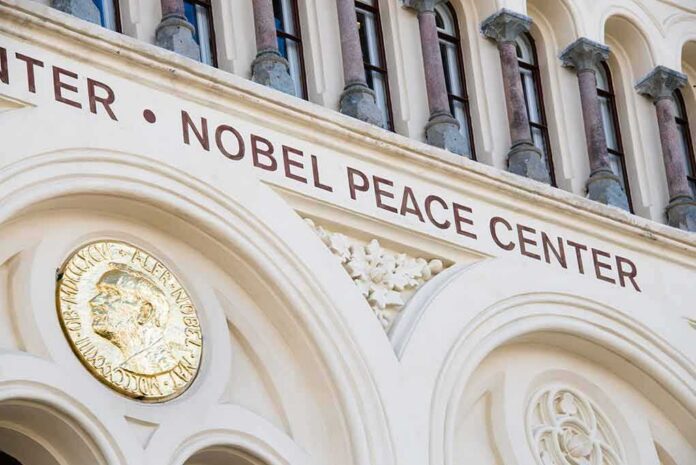
The Norwegian Nobel Committee awarded the 2026 Nobel Peace Prize to Navanethem “Navi” Pillay for efforts to promote peace and international law. The committee announced the choice in Oslo on October 9, 2026, and said her work advanced the rule of law and accountability for atrocity crimes. Media across the globe reported the same details within minutes. The official Nobel Prize website lists Pillay as the laureate and summarizes the committee’s reasoning and citation language.
Associated Press coverage from the Oslo event identified Jørgen Watne Frydnes as the chair who delivered the announcement. Reports quoted the committee’s statement that peaceful conflict resolution depends on law, not force, and highlighted Pillay’s impact on prosecuting war crimes and genocide. Reuters, BBC, and other outlets published matching accounts. The prize is set to be presented in Oslo on December 10 as part of the traditional Nobel ceremonies, according to same-day reports.
Why This Pick Sparks Sharp Pushback
The Peace Prize often triggers debate because people disagree on what the prize should honor: concrete peace deals, human rights advocacy, or signals to world leaders. The Nobel Prize’s own historical materials say the award has “frequently caused controversy,” in part because many laureates are active political actors. That pattern drives recurring claims that the Peace Prize can drift into politics, not just peacemaking results. This year’s award lands amid fierce global arguments over international courts and wartime conduct.
Israel’s leader condemned the choice as biased against Jews, reflecting a larger fight over outside judges and panels that many Israelis believe downplay terror threats and self-defense needs. Supporters of Pillay argue that strong, even-handed law restrains abuse and shields civilians. The committee’s framing leans hard on legal accountability as a path to peace. That split mirrors a larger divide: some governments view international bodies as neutral arbiters, while others see them as ideological and uneven in enforcement.
What Conservatives Should Watch
American conservatives value clear facts, equal justice, and national sovereignty. This prize centers the role of international courts and commissions. Backers say those bodies deter atrocities. Critics point to uneven cases, soft treatment of violent non-state actors, and pressure on democratic states fighting terror. The Nobel Committee keeps nominations and deliberations secret for decades, which limits outside review of why certain nominees win over others. That secrecy feeds recurring disputes about motive and fairness.
Practical stakes matter. When elite institutions elevate legal theories that ignore on-the-ground threats, families pay the price. When law is even-handed and timely, it can help restrain real abusers. The record shows the committee wanted to send a message about law over force this year. Whether that helps or hinders peace depends on consistent standards. If rules are applied equally—to terrorists, militias, and states—trust grows. If not, the prize can look like politics by other means.
What Happened, What’s Next
On October 9, 2026, the Nobel Committee named Pillay the Peace Prize winner, citing her push for accountability in international law. Multiple reputable outlets confirmed the details and the timing of the December ceremony. Sky News also noted the prize amount commonly associated with the award cycle and the Oslo presentation plan. BBC reported the chair initially could not reach Pillay at announcement time, a common hiccup in fast-moving prize news. The ceremony and Nobel lectures will draw wider scrutiny of the committee’s message.
For readers tracking free speech, religious liberty, and allied security, the key questions are simple. Will international law protect innocent people on all sides, or be used to shame those who defend them? Will global bodies confront terror and hostage-taking with the same force they use on states? The committee’s own words stress law over violence. That standard must be even and firm, or it is not law at all. Equal justice—applied without bias—is what earns respect and preserves peace.
Sources:
youtube.com, nobelprize.org, news.sky.com, apnews.com, reuters.com, cbc.ca, time.com