
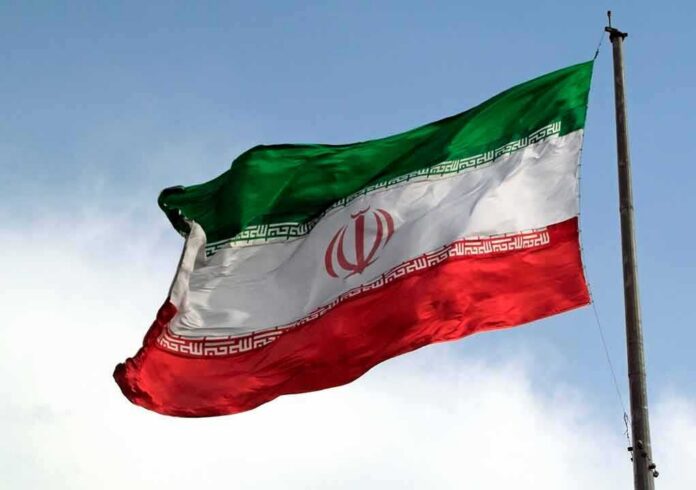
Reports say the Pentagon finished plans for major Iran strikes, while President Trump publicly ruled out any attack before the midterms.
Story Highlights
- Pentagon directed Central Command to complete plans for major Iran operations, according to reports.
- Possible targets reportedly include energy, missile, drone, and nuclear-linked sites.
- Israeli and U.S. officials discussed a pre-election window but called it uncertain.
- President Trump said no strikes would occur before the midterm elections.
Pentagon Planning Reaches a High State of Readiness
Axios reported that the Pentagon told United States Central Command to complete preparations for possible major combat operations against Iran. Officials described planning that went beyond routine exercises. The guidance reportedly emphasized readiness to resume a large strike campaign if ordered. Another outlet said potential targets included Iranian energy infrastructure, missiles, drones, and nuclear-related facilities, consistent with a short, heavy air campaign. These reports cited unnamed United States and Israeli officials, reflecting sensitive planning details.
The New York Times account, summarized by other outlets, described a possible three-day blitz focused on degrading Iran’s strike systems and key infrastructure. Such a plan would likely aim to lower the risk to regional shipping and allied bases. It would also signal to Tehran that attacks on United States troops or partners carry steep costs. These descriptions match past patterns in crisis planning where airpower and stand-off weapons form the backbone of the first wave.
Election Timing: Options Considered, Not Ordered
Reports said some United States and Israeli officials viewed the period before the United States midterms, and possibly before Israeli elections, as a potential window for action. One Israeli official cautioned that chances before the elections were not high, though they could rise after the vote. This shows how planners test calendars, logistics, and politics without fixing a date. That is standard crisis practice. It keeps options ready while leaders weigh costs and benefits.
President Trump stated that the United States would not attack Iran before the November 3 midterm elections. He added that economic and maritime pressure would continue and said talks with Iran were ongoing. His statement undercuts claims of a pre-midterm strike as policy, while leaving the door open to future action after Election Day. Several outlets noted his message as a response to speculation about pre-election airstrikes. Planning and deterrence continue, but timing rests with the President.
United States–Israel Coordination and What It Means
Axios reported that Israeli Defense Forces Chief of Staff Lieutenant General Eyal Zamir spoke with senior United States officials on October 6. Those officials allegedly briefed him on preparations and a rough three-week readiness window. Such talks fit long-standing military coordination with Israel against Iranian threats. Sharing timelines helps align defenses for bases, airspace, and missile defense. It also signals unity to Iran’s leadership and its proxy groups across the region.
Another report said the Pentagon emphasized its role is to develop and present options to the President. That language matches the institution’s duty, but it does not confirm any strike order or schedule. Anonymous sourcing limits what the public can verify. Still, multiple outlets carried the same core claims about completed preparations and target sets. The overlap suggests a real planning push, even as final decisions wait. In short, readiness rose; execution remains a presidential call.
What Conservatives Should Watch Next
Conservatives should track whether Iranian forces or proxies escalate attacks on Americans, shipping, or Israel. Any new attack could trigger the strike package now on the shelf. Watch for visible movements of bombers, carriers, and tankers, and for allied missile-defense deployments. Those are telltale signs of execution, not just planning. Also monitor whether talks with Iran stall or if Tehran tests United States resolve. These signals will shape President Trump’s timeline and targets.
Readers should also separate calm strength from election theater. The reporting says the Pentagon is ready; that is good. Readiness deters Iran and protects our troops. President Trump’s public pause before the midterms keeps politics from driving war decisions while preserving leverage after the vote. That approach respects constitutional checks, keeps faith with our service members, and avoids handing Iran propaganda. If Iran crosses red lines, the prepared options allow a fast, hard response.
Bottom Line
The Pentagon reportedly finished major strike plans against Iran, including energy and missile targets, and briefed Israel on timelines. President Trump said there will be no attack before the midterms, but he did not rule out action after Election Day. That balance—quiet strength, public clarity—protects American lives and interests while denying Iran an election wedge. Stay focused on facts: plans exist; timing remains the President’s call; deterrence holds unless Iran forces our hand.
Sources:
pjmedia.com, axios.com, iranintl.com, gulfnews.com