
President Trump and Vice President JD Vance launched a $25 million fraud whistleblower program that pays citizens for tips leading to federal action.
Story Highlights
- The White House unveiled a $25 million Fraud Whistleblower Incentive Program with defined tip criteria.
- The program links rewards to tips that lead to convictions or major federal enforcement.
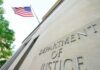
- Treasury committed the funding pool; the Justice Department will issue awards.
- A first $10,000 payment to citizen reporter Nick Shirley was announced as an example.
Trump and Vance Roll Out Fraud Whistleblower Incentive Program
President Trump and Vice President JD Vance announced a $25 million Fraud Whistleblower Incentive Program that invites Americans to report suspected fraud through a government portal. The Hill and a Philadelphia NBC affiliate reported the same-day launch, confirming the program’s scope and branding. The plan aims to empower citizens to help identify waste and scams that drain taxpayer dollars. The administration framed the effort as a direct way to hold bad actors accountable and return integrity to federal spending.
The White House description reported by The Philadelphia Inquirer said anyone who submits a credible tip through fraud.gov that leads to a conviction or a significant federal enforcement action can receive a financial reward. Reports identified the Department of Justice as the administrator responsible for processing and issuing awards. That structure sets a clear trigger: no payout without a concrete legal result. The administration presented this as a results-first model, tying money to actual enforcement outcomes.
Funding, First Award, and Administrative Control
Reuters reported that the Department of the Treasury committed the $25 million funding pool and that the Department of Justice would issue awards in its sole discretion. The same report said citizen journalist Nick Shirley would receive $10,000 as the program’s first payout, with Vice President Vance praising Shirley’s efforts to expose suspected fraud tied to his reporting. The announcement anchored the program in a visible case rather than a promise still on paper.
Vice President Vance connected the initiative to the administration’s anti-fraud task force and publicly endorsed compensating Shirley for work that spurred attention and action. That message signals a priority to reward everyday Americans who bring forward facts that prosecutors and investigators can use. It also underscores a focus on speed and impact, with the administration highlighting how citizen tips can help law enforcement move faster against fraud that harms taxpayers.
How Rewards Work and Where Questions Remain
Coverage described different payment structures. Some reports said awards would range from $10,000 to $30,000 or up to $30,000, administered by the Department of Justice. President Trump also spoke about a potential one percent commission tied to recovered or uncovered fraud. Outlets did not reconcile whether the one percent is a separate tier or the governing rule. Reports consistently agree, however, that any payout depends on a successful conviction or major federal action.
The launch materials did not include a published rulebook, appropriation text, or formal appeals process. Reports noted the Department of Justice’s discretion over awards and also referenced President Trump’s strong personal role in championing whistleblowers. Future releases can clarify formulas, conflict-of-interest safeguards, and how the program interacts with existing Justice Department, agency Inspector General, and False Claims Act channels, which already pay proven whistleblowers based on real recoveries.
Why Conservatives Care: Stop Waste, Defend Taxpayers, Reward Truth-Tellers
The program targets the kind of waste and fraud that conservative taxpayers have endured for years. Every stolen dollar from a welfare scam or padded contract hits families through higher prices and higher taxes. This plan uses a simple incentive: if your tip helps convict fraudsters or trigger a major federal action, you can get paid. That approach aligns with a core principle—limited, honest government that puts citizens first and cuts off grifters fast.
The model also echoes proven systems. The Department of Justice reported record results under the False Claims Act, where citizen whistleblowers helped drive billions in recoveries. That history shows that when government rewards real evidence, not rumors, fraudsters lose and taxpayers win. The new program follows that path by tying rewards to concrete outcomes. Clear written rules, published soon, can lock in discipline and deliver faster wins for the American people.
Sources:
youtube.com, thehill.com, inquirer.com, abcnews4.com, sec.gov