A federal appeals court ruled that James O’Keefe’s undercover publication is protected speech, overturning a six-figure verdict that punished a news story.
Story Highlights
- The United States Court of Appeals for the District of Columbia Circuit threw out a damages award against James O’Keefe.
- The court said the prior verdict punished the act of publishing a news story, violating the First Amendment.
- The ruling draws a clear line between protected publication and disputes over news gathering conduct.
- The decision strengthens undercover journalism when it reports truthful matters of public concern.
Appeals Court Overturns Damages Aimed at Publication
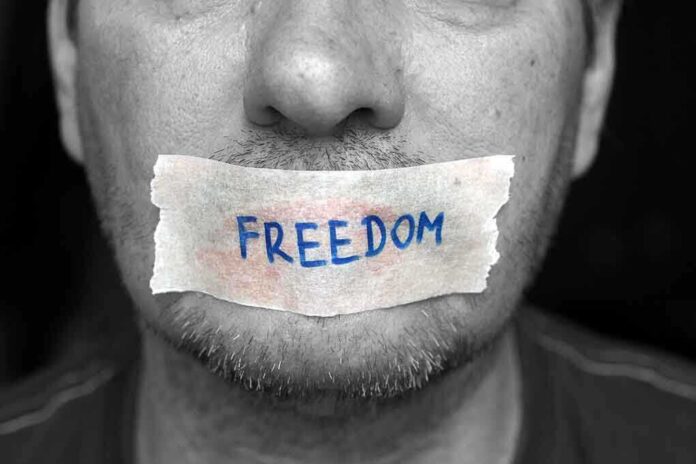
The United States Court of Appeals for the District of Columbia Circuit decided on August 21, 2026, that a jury’s damages award against James O’Keefe and an undercover colleague violated the First Amendment because it punished the publication of a news story. The panel reversed the judgment tied to an undercover video operation aimed at a Democratic consulting firm. The opinion states that the core question was whether punishing publication is constitutional, and the court answered no.
The panel’s holding does not bless every tactic used to gather news. Instead, the court said that punishing the speech itself crossed a constitutional line. That line matters for every reporter and citizen who records and shares news. Courts have long treated speech and conduct differently. They guard publishing truthful information while allowing claims about how that information was obtained to proceed under ordinary laws when supported by evidence.
What This Means for Undercover Journalism Nationwide
The ruling fits a broader legal pattern. Courts protect the act of publishing truthful reporting on matters of public concern, even when sources were developed using deception or hidden cameras. At the same time, courts may still hear claims about trespass, fraud, or privacy, which address conduct rather than speech. Scholars and past cases have traced this line for decades, including litigation after the Food Lion investigation involving hidden cameras in a workplace.
This clarity helps working journalists and independent investigators who expose wrongdoing in politics, business, and government. When publication is targeted with damages, free speech suffers first and the public loses vital facts. By holding that the verdict impermissibly punished publication, the court reinforced a rule that keeps officials, consultants, and large organizations from using civil claims to silence speech after it reveals uncomfortable truths. That is a win for open debate and for the public’s right to know.
How the Case Reached the D.C. Circuit
The dispute began when a Democratic-aligned consulting firm sued over an undercover operation and the release of recorded conversations during the 2016 election cycle. In 2022, a jury found against the undercover journalists and awarded damages. The defense appealed, arguing that the award penalized protected speech. On review, the appeals court agreed that the jury’s damages impermissibly targeted publication, which the First Amendment protects. The panel vacated that speech-based penalty and set a clearer path for future cases.
The opinion also sits within a wave of fights over recording laws, defamation claims, and access rules. In separate matters, courts have recognized that aggressive reporting can raise conduct questions while still protecting core speech. Recent appellate work highlights that tension, but the through-line remains: do not punish publishing truthful news about public affairs. That approach keeps the government and powerful actors from escaping scrutiny through civil courts and money judgments.
Why This Matters to Readers and the Constitution
Free speech and a free press guard every other right. Undercover work often reveals what polished press releases and staged events hide. This decision helps ensure that Americans can see and judge facts for themselves. The court’s line—protect publication, evaluate conduct under neutral laws—respects both liberty and order. It lets the public hear the story while allowing real harms, if proven, to be addressed without gagging speech at the end of the process.
Congratulations James O’ Keefe !
— Kathleen Collier (@CollierKat5329) August 23, 2026
For readers tired of double standards, this is a tangible course correction. Powerful groups used a lawsuit to hit an undercover report in the wallet. The court said that is not how the First Amendment works. The message is simple and strong: if the story is truthful and on a public matter, you cannot punish the act of publishing it. That protects citizen journalists, independent media, and anyone willing to shine a light in dark corners.
Sources:
thegatewaypundit.com, media.cadc.uscourts.gov, supremecourt.gov