
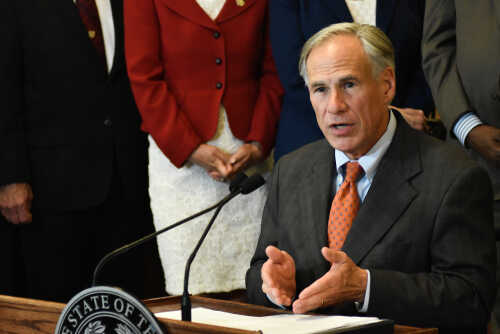
Greg Abbott has ordered a mid‑decade overhaul of congressional districts to favor his party, triggering fierce backlash as deadly floods devastate Texas.
At a Glance
- Governor Abbott has called a special session starting July 21 to redraw congressional maps ahead of the 2026 midterms.
- Republicans currently hold 25 of Texas’s 38 U.S. House seats.
- The move is tied to Trump‑era pressure and DOJ claims of past district bias.
- Voting rights groups describe the plan as an attack on democracy.
- Critics argue it distracts from emergency flood relief efforts.
Floods and Maps — A Calculated Coup?
Texas is still reeling from catastrophic Hill Country floods between July 4–7 that killed over 120 people and left more than 173 missing (The Guardian). Amid this emergency, Governor Greg Abbott announced a July 21 special legislative session to redraw the state’s congressional boundaries before the 2026 midterm elections. The justification: a Department of Justice warning that existing maps show signs of racial bias.
Yet critics are furious, claiming Abbott is exploiting a disaster to rig the political landscape. The announcement comes just days after historic flash floods devastated communities and overwhelmed emergency services. For opponents, the timing underscores a cynical willingness to prioritize electoral control over lives lost and communities suffering.
Watch a report: Texas lawmakers set to address congressional redistricting.
Democracy vs. Political Engineering
Democrats and watchdog groups have labeled Abbott’s move an “attack on democracy,” warning that it mirrors tactics used in North Carolina, where Republican-led redistricting ahead of the 2024 election shifted the delegation from an even split to a decisive GOP majority. Texas Republicans currently control 25 of the state’s 38 congressional seats, and with veto-proof majorities in both chambers, the new map could entrench that dominance further.
Legal scholars suggest the courts may intervene under the Voting Rights Act, given that litigation over the current Texas maps has been ongoing since 2022. But the window before the 2026 midterms is narrow, and past cases have shown that even illegal maps can remain in place for a full election cycle due to procedural delays.
Emergency or Election Strategy?
Abbott defends the special session as a response to federal pressure and a necessary compliance step. Still, public backlash is mounting, especially from communities still without power, water, or aid in the flood’s aftermath. Critics accuse the governor of using bureaucratic cover for political engineering, with some legislators branding the move “shameless.”
Meanwhile, national GOP strategists reportedly see Texas as a linchpin for maintaining House control, especially after redistricting success in other battlegrounds. That adds a layer of partisan urgency to a move framed publicly as legal necessity.
As court battles loom and flood recovery drags, Texas finds itself at the volatile intersection of disaster and democracy—where power and timing may count more than votes.