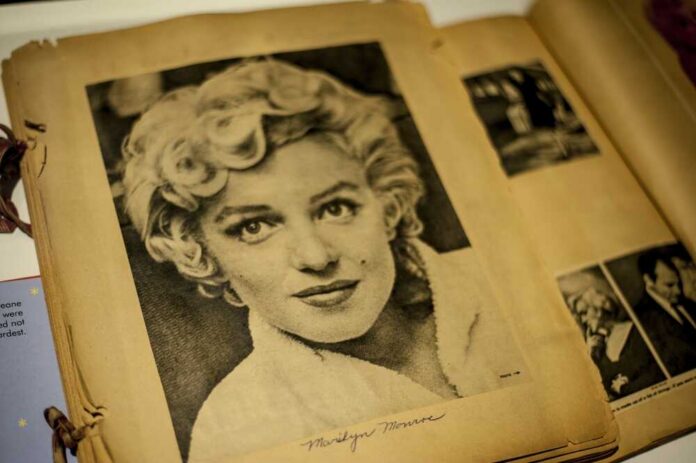
Los Angeles bureaucrats just transformed a private property purchase into an $8 million government-imposed financial loss, revealing how far city officials will go to override property rights in the name of cultural preservation.
Story Snapshot
- LA City Council unanimously designated Marilyn Monroe’s former Brentwood home a historic monument, blocking demolition plans
- Property owners paid $8.35 million intending to expand their adjacent estate, now claim the city destroyed their investment
- Judge ruled in favor of the city in September 2025, upholding the designation despite owners’ lawsuit
- The Spanish Colonial home is the only property Monroe ever owned independently before her 1962 death
City Council Overrides Private Property Plans
The Los Angeles City Council voted 12-0 on June 26, 2024, to designate 12305 Fifth Helena Drive in Brentwood as a Historic-Cultural Monument. Brinah Milstein and Roy Bank purchased the 2,900-square-foot Spanish Colonial Revival bungalow for $8.35 million with plans to demolish it and expand their neighboring estate. The council’s decision effectively stripped the owners of their intended use of the property. Monroe bought the home in spring 1962 for $75,000 and died there months later from a barbiturate overdose, making it her final residence.
Emergency Government Intervention Halts Demolition
After the owners obtained a demolition permit on September 5, 2023, Councilwoman Traci Park immediately revoked it four days later, initiating an emergency landmark review process. The intervention came after global outcry from preservationists, fans, and the Los Angeles Conservancy. Park argued that losing Monroe’s only self-owned home would be devastating. The owners countered that the house no longer resembles its 1962 condition, suggesting the preservation effort lacked merit. This rapid government reversal demonstrates how quickly bureaucrats can derail private plans when cultural advocates mobilize public pressure.
Property Rights Clash With Preservation Agenda
The designation represents a fundamental conflict between individual property rights and government-enforced cultural preservation. The LA Conservancy celebrated the vote as proof that community advocacy works, prioritizing collective cultural memory over private ownership rights. Less than three percent of LA’s historic designations involve women’s heritage, which preservationists used to justify the action. However, property rights advocates view this as regulatory overreach that punishes lawful property owners who invested millions with legitimate development intentions. The home sits gated and private, functioning as an unofficial shrine for fans but offering no public access benefit.
Legal Battle Ends in City’s Favor
Milstein and Bank filed a lawsuit challenging the Historic-Cultural Monument status, arguing it destroyed their $8 million investment. On September 2, 2025, a judge upheld the city’s designation, effectively ending the owners’ demolition plans. The ruling reinforces LA’s preservation laws and empowers local advocacy groups to override property rights through political pressure. Councilwoman Park has proposed relocating the structure to provide public access, though those discussions remain unresolved. The case sets a precedent allowing celebrity heritage claims to trump private property interests, raising concerns about arbitrary government intervention in real estate development across affluent areas.
Sources:
Marilyn Monroe’s Final Home Declared Landmark, Saved From Demolition
Iconic. Marilyn Monroe’s Former Home Saved From Wrecking Ball, Designated Historic Cultural Monument
Saving the Marilyn Monroe House in Los Angeles
Saving Marilyn Monroe’s House: It’s Complicated