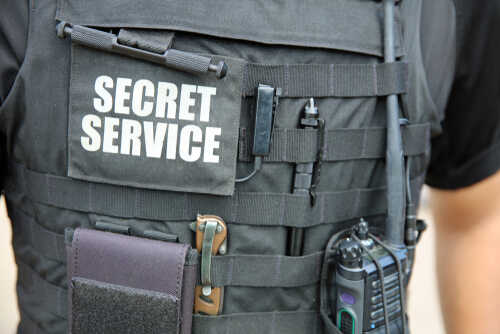
A Secret Service agent who took a bullet for President Reagan says the agency did a “hell of a good job” stopping a would-be assassin from harming President Trump at a Washington, D.C. event, offering rare validation from a legendary protector who knows what it takes to save a president’s life.
Story Snapshot
- Tim McCarthy, wounded protecting Reagan in 1981, praises Secret Service response to recent Trump threat
- Gunman attempted to harm Trump at Saturday D.C. event but was successfully stopped by security
- McCarthy credits enhanced security protocols, noting Trump had “more security at that event than he’s ever had in his life”
- Veteran agent’s assessment provides credible validation of current protective measures amid ongoing concerns about presidential safety
Reagan-Era Hero Validates Modern Security Response
Tim McCarthy knows what it means to put your life on the line for a president. On March 30, 1981, McCarthy was one of three individuals wounded when John Hinckley Jr. opened fire on President Ronald Reagan outside the Washington Hilton Hotel. Press Secretary James Brady and policeman Thomas Delahanty were also shot that day. Now retired after 22 years with the Secret Service and another 26 years as a police chief, McCarthy has the credentials and firsthand experience to assess presidential protection. His recent comments praising the Secret Service’s handling of a threat against President Trump carry weight that few other voices can match.
Security Tested and Security Responded
A gunman attempted to harm President Trump at a Saturday event in Washington, D.C., but Secret Service personnel successfully stopped the threat before harm could be done. Speaking to NewsNation Now on Sunday, McCarthy offered his professional assessment of how agents handled the crisis. “Security was tested, security responded,” McCarthy stated, indicating his approval of the agency’s threat response protocols. He went further, noting that Trump had “more security at that event than he’s ever had in his life” and credited the Secret Service with executing proper protective measures. For Americans worried about the safety of their elected leaders, McCarthy’s endorsement provides reassurance from someone who literally took a bullet doing the same job.
Protocols Remain Strong But Evolution May Be Needed
McCarthy acknowledged that security protocols have remained largely consistent since his active service days, demonstrating institutional continuity in protective measures. However, the veteran agent also suggested that consideration should be given to whether existing protocols require enhancement given evolving threats and the role of social media in modern security challenges. This balanced perspective recognizes both the effectiveness of current measures and the reality that threats against public figures have changed dramatically in the digital age. The question facing the Secret Service is whether decades-old protocols, however well-executed, can fully address modern threat vectors that didn’t exist when McCarthy was shielding Reagan.
Ongoing Challenge of Protecting Presidents in Public
The successful prevention of harm to President Trump demonstrates that Secret Service agents remain capable of responding effectively when threats materialize. McCarthy’s career spanning nearly five decades in protective services and law enforcement lends authority to his assessment that agents did their job correctly. Yet his acknowledgment that protocols may need updating highlights an uncomfortable reality: protecting presidents requires balancing security with public accessibility, a challenge that grows more difficult as weapons technology advances and threats proliferate through social media. The incident reinforces concerns many Americans share about whether our institutions can adequately protect elected leaders while maintaining the openness that democracy requires. When even a decorated veteran like McCarthy suggests protocol reviews, it’s worth taking seriously.
Secret Service Agent Who Took Bullet for Reagan Says Security Did 'Hell of a Good Job' Protecting Trump From Would-Be Assassin https://t.co/P2MewmKyy6
— Mediaite (@Mediaite) April 27, 2026
For now, the Secret Service can take credit for preventing what could have been a national tragedy. McCarthy’s praise offers validation that the agency’s protective mission remains in capable hands, even as evolving threats demand constant vigilance and potential adaptation of time-tested security measures.
Sources:
Reagan Presidential Library – Assassination Attempt Exhibit