
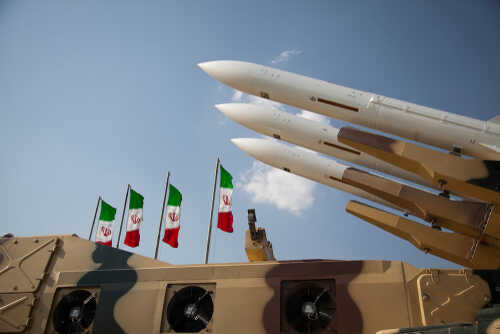
After years of diplomatic failure, Iran’s parliament has ruled out resuming nuclear talks with the U.S. until unspecified preconditions are met, deepening a standoff that threatens regional stability and global security.
At a Glance
- Iran’s parliament refuses to restart nuclear negotiations without meeting vague preconditions.
- Recent diplomatic rounds collapsed amid escalating military tensions and the demise of the 2015 nuclear deal.
- Tehran demands sanctions relief and guarantees against future U.S. withdrawal, while Washington insists Iran comply first.
- Israel and Iran are already at war, raising the risk of a broader Middle East conflict.
- Ordinary Iranians suffer under sanctions as hardline factions consolidate power in Tehran.
Decades of Diplomatic Failure
The U.S. helped initiate Iran’s nuclear program in the 1950s, but post-1979 revolution the focus shifted toward weapons development. Diplomatic efforts have oscillated between weak sanctions and fragile agreements, most notably the 2015 JCPOA, which collapsed after the U.S. withdrew in 2018. Since then, Iran advanced its nuclear ambitions, tested missiles, and expanded regional proxy conflicts, while American diplomacy pursued elusive agreements. Attempts to revive the deal have repeatedly faltered, exposing deep mistrust and strategic disagreements that no simple negotiation can easily fix.
Tehran’s Parliament Draws a Line
In July 2025, Iran’s hardline parliament declared no nuclear talks will resume unless their conditions are met, though specifics remain unclear. This hardened stance reflects a regime unwilling to curb its nuclear goals and confident in American weakness. The U.S. continues to demand Iran’s return to full compliance, leaving negotiations deadlocked. This impasse signals a stalemate that could easily escalate into open conflict if diplomatic channels remain frozen.
Watch a report: Iran’s Parliament Blocks Nuclear Talks, Raising Regional Tensions
Regional Fallout and Rising Conflict
Since spring 2025, Israel launched strikes against Iranian targets after diplomatic deadlines passed, intensifying conflict. The Biden administration’s slow response forced the Trump administration to rebuild U.S. military presence, but the damage is done: Israel remains on high alert and Iran emboldened. The risk of a broader regional war has never been more acute, as proxy battles multiply and diplomatic efforts falter.
Sanctions and Suffering
Sanctions continue to devastate Iran’s economy, with inflation and shortages harming ordinary citizens while the elite remain shielded. Hardliners have used the crisis to suppress moderates, making reform unlikely. The risk of nuclear proliferation grows as diplomatic options fade, leaving Iran’s nuclear program increasingly unrestrained.
The Road Ahead
Experts warn the lack of negotiations fuels mistrust and escalates the threat of regional war. While Europe clings to hopes for dialogue, many in the U.S. advocate sustained pressure and deterrence. The choice is stark: diplomatic illusions or firm strength to protect American and allied interests.
The world watches closely—our adversaries expect hesitation, but the stakes could not be higher. Failure to act decisively could unleash a cascade of instability with consequences far beyond the Middle East.