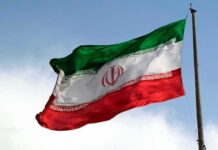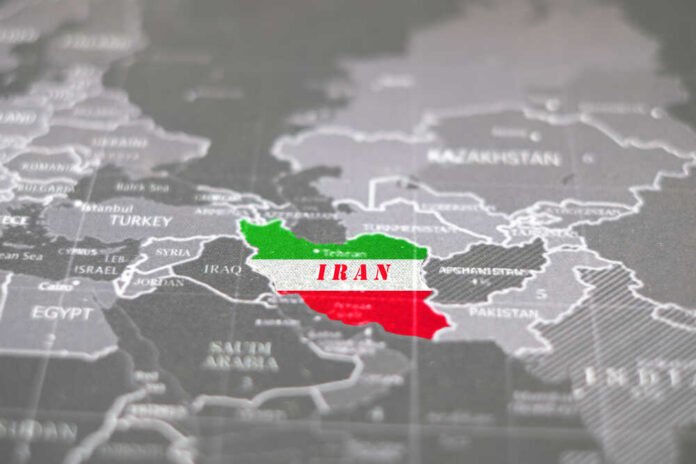
A White House warning to Iran’s World Cup officials has turned a soccer dispute into a test of border control, national security, and common sense.
Quick Take
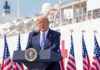
- President Donald Trump said Iran was welcome at the World Cup but told its team not to attend “for their own life and safety.”
- A White House official confirmed Trump conveyed the same message privately to FIFA President Gianni Infantino.
- The controversy comes amid war-related tensions involving Iran, which gives the administration a security argument.
- The facts also show athletes and coaches are exempt from the travel ban, complicating any claim of a blanket exclusion.
Safety Claim Meets Political Reality
Trump’s public message was simple: Iran could come to the World Cup, but it was “not appropriate” for them to attend for their own safety. ESPN reported that Trump posted the statement on Truth Social, and WSLS reported that a White House official confirmed he had made the same point privately to FIFA chief Gianni Infantino. The administration is clearly leaning on security language, not just political theater.[1][2]
That does not end the debate. The reporting places Trump’s remarks against a backdrop of active conflict involving Iran, including airstrikes by the United States and Israel, and it also notes that Iranian leaders said earlier in the week that participation was “not possible.” In other words, the administration can point to real instability and not merely a symbolic disagreement over sports diplomacy.[1][2]
What the Travel Rules Actually Show
The broader policy picture is more complicated than a blunt ban. ESPN reported that athletes and coaches from the affected countries are exempt from the travel ban, which means the Iranian team itself would not automatically be blocked from entry. That distinction matters because it weakens any claim that every Iran-related World Cup traveler was treated as an identical security threat. It also suggests the government is drawing lines between competition, official delegation travel, and fan access.[1]
Reuters-derived reporting cited by the Center for Foreign Relations said intelligence briefings warned of possible extremist attacks on games, fan events, and transportation infrastructure because of higher tensions tied to the war in Iran and Trump’s immigration crackdown. FIFA had also reportedly labeled the host countries’ safety and security plans “low risk,” which gives the administration some room to argue it is working within a recognized security framework rather than acting in a vacuum.
Why the Message Still Feels Inconsistent
Even with those security concerns, the administration’s messaging remains uneven. ESPN reported that Infantino had previously said Trump assured him Iranian players and coaches would be welcome, while the later Truth Social post told Iran not to attend for safety reasons. That mismatch will fuel suspicion that the issue is partly political, especially because the public record does not include a formal written U.S. threat finding explaining why Iranian officials, specifically, posed a distinct risk.[1][2]
Iran Wanted Its Officials at the World Cup. Trump Said No. https://t.co/Sp1VNhNTzS
— "Be Nice" (@MsDollie) June 7, 2026
For conservatives, the important question is whether the federal government is protecting Americans and visitors or simply improvising policy around a volatile foreign crisis. The available reporting supports a security rationale, but it also shows selective exemptions, mixed messaging, and no public interagency memo tying the decision to a specific threat analysis. That leaves Trump with a defensible argument on safety, while critics still have plenty of room to accuse the White House of mixing border policy, geopolitics, and spectacle.[1][2]
Sources:
[1] Web – Iran Wanted Its Officials at the World Cup. Trump Said No.
[2] Web – Trump discourages Iranian soccer team from attending the World …