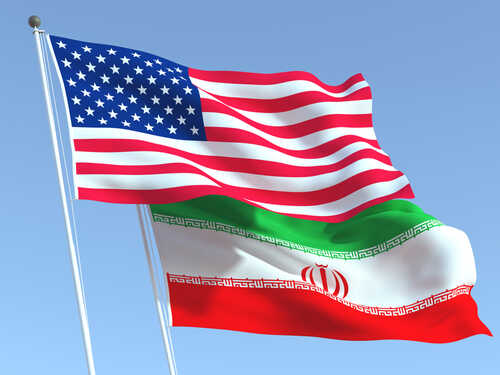
Iran’s demand for U.S. accountability for recent nuclear site attacks introduces a new challenge in future diplomatic negotiations.
Story Highlights
- Iran insists U.S. accountability be a precondition for future nuclear talks.
- U.S. and Israel conducted strikes on Iranian nuclear sites in June 2025.
- The strikes halted nuclear negotiations and escalated regional tensions.
- Iran accelerates nuclear activities in response to the attacks.
Iran Demands U.S. Accountability
Iran has declared that any future negotiations on its nuclear program must include U.S. accountability for recent attacks on its nuclear sites. This stance follows a series of military strikes by the United States and Israel in June 2025, which severely damaged Iranian nuclear facilities. Iran has ruled out direct talks with Washington unless accountability for these actions is addressed, complicating the path toward diplomatic resolution.
Iran’s ultimatum comes after the U.S. joined Israel in military strikes on June 22, 2025, targeting key nuclear sites. This military alignment disrupted ongoing discussions about Iran’s nuclear program, marking a significant shift in the geopolitical landscape. Iran has framed the demand for accountability as a non-negotiable element, highlighting the increased tensions between the involved nations.
Watch: Iran Demands US “Accountability” For Attack On Nuke Sites, Putin-Netanyahu Hold Second Call In Days
Historical Tensions and Recent Strikes
The conflict over Iran’s nuclear ambitions has deep roots, stretching back to the 1979 Iranian Revolution and the subsequent U.S. embassy hostage crisis. Over the years, disputes have centered on Iran’s nuclear program, regional influence, and support for proxy groups. In 2015, the Joint Comprehensive Plan of Action (JCPOA) was signed to limit Iran’s nuclear activities in exchange for sanctions relief. However, the U.S.’s unilateral withdrawal from the JCPOA in 2018 under President Trump led to escalated tensions.
Recent strikes follow years of escalating sanctions and covert operations targeting Iran’s nuclear infrastructure. Israel launched a surprise attack on June 13, 2025, which was soon followed by U.S. involvement. These actions have not only caused significant damage to Iran’s nuclear capabilities but have also led to a breakdown of diplomatic channels.
Impact and Implications
The June 2025 strikes have caused significant short-term disruption to Iran’s nuclear program and infrastructure. The immediate consequence has been the stalling of nuclear negotiations and the heightening of regional tensions, with the risk of further military escalation. In the long term, these events could entrench hardline positions within Iran and the U.S., potentially leading to a regional arms race or further proliferation.
Iran’s civilian population faces economic hardship due to intensified sanctions, while regional states like Israel, Iraq, and Syria grapple with security risks. The global energy markets also brace for potential disruptions, with the possibility of oil price spikes affecting international economies.
Expert Perspectives and Future Prospects
Nonproliferation experts caution that military strikes might delay but not eliminate Iran’s nuclear capabilities, potentially incentivizing Iran to pursue nuclear weapons more covertly. Regional analysts highlight the risk of escalation and the diminishing prospects for a diplomatic resolution. The JCPOA, which successfully limited Iran’s nuclear program until 2018, serves as a reminder of the potential for diplomatic solutions if mutual security concerns are addressed.
With the U.S. reiterating its commitment to preventing Iran from acquiring nuclear weapons and Iran accelerating its nuclear activities, the situation remains volatile. As tensions simmer, the international community faces the challenge of mediating between the parties to prevent further conflict and ensure nuclear nonproliferation.
Sources:
Wikipedia: United States sanctions against Iran
Atlantic Council: A brief history of sanctions on Iran
Iran Primer: Timeline of US sanctions
Basic Int: US and Israeli strikes on Iran – A timeline
CFR: US relations with Iran 1953-2025