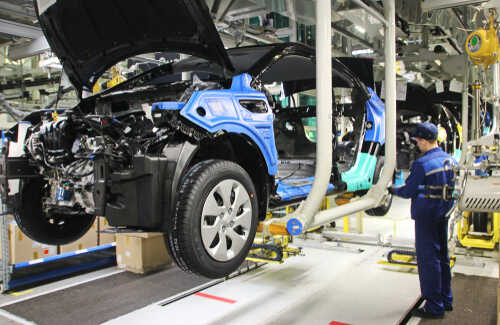
Michigan’s economic recovery faces mounting risks as tariffs on auto imports and exports add billions in costs for the state’s manufacturing base.
At a Glance
- Michigan automakers paid $2.1 billion in tariffs this year
- The state’s job growth and wage gains face new pressure
- Automakers warn of higher consumer prices on cars
- Tariff burden could reduce competitiveness in global markets
- Local leaders fear progress could stall if trade disputes escalate
A State Once in Recovery
Michigan has spent much of the past decade rebuilding its economy from the fallout of the 2008 financial crisis. Strong demand for automobiles and manufacturing investment helped restore jobs, raise wages, and reduce unemployment in a state once synonymous with industrial decline. However, analysts now warn that tariffs introduced during recent trade disputes could undermine this recovery.
The auto industry, which remains the backbone of Michigan’s economy, has been particularly exposed. Reports indicate that automakers in the state have already paid $2.1 billion in tariffs this year, costs that are likely to be passed along to consumers in the form of higher vehicle prices. The result could be reduced demand for new cars at a time when the industry is already grappling with shifting consumer preferences and electric vehicle competition.
Watch now: Trump’s Tariff Chaos is Hammering Michigan’s Auto Industry · YouTube
Consumers and Workers in the Crosshairs
The added expenses have a ripple effect beyond corporate balance sheets. Families purchasing cars face higher prices, eroding affordability and delaying replacement purchases. Analysts warn that if sales volumes dip significantly, automakers may be forced to adjust production levels, which could in turn affect jobs and wages in Michigan’s manufacturing hubs.
For workers, this presents a troubling scenario. While Michigan has posted steady job gains in recent years, the tariff burden raises questions about how long this growth can continue. With manufacturing plants operating on slim margins, higher input costs may eventually translate to reduced hiring or slower wage increases.
Political and Economic Uncertainty
The situation also carries political weight. Michigan is a key swing state, and its economic health often influences voter sentiment. Trade policies that directly impact manufacturing and consumer costs are being closely watched by both policymakers and residents.
Economists note that tariffs create distortions in global supply chains, particularly in industries that rely on complex international networks for parts and materials. Michigan’s auto industry imports components from multiple countries, meaning tariff barriers add costs at several stages of production. If prolonged, this could erode the state’s competitiveness in a global market where rivals face fewer restrictions.
Looking Ahead
Experts argue that easing tariff pressure is essential for Michigan’s continued recovery. Without adjustments, the dual impact of higher consumer costs and industry strain could stall momentum in one of the nation’s most important manufacturing states. The trajectory of Michigan’s economy now hinges on both trade negotiations and domestic policy choices that determine whether families, workers, and businesses can sustain recent progress.
Sources
Our Midland
Reuters
Detroit Free Press