Australia’s Anglican leaders say a sacred cathedral was used to “validate the porn industry” after crews filmed scenes for an OnlyFans reality series inside the church.
Story Highlights
- Archbishop says producers pitched a faith documentary but delivered a sex-work reality show.
- Church leadership apologizes and demands most cathedral footage be removed.
- Production company says the Dean gave permission and that edits were made on request.
- Dispute centers on consent, disclosure, and use of sacred space in a sexual context.
Archbishop Condemns Filming Inside Cathedral as “Click-Bait”
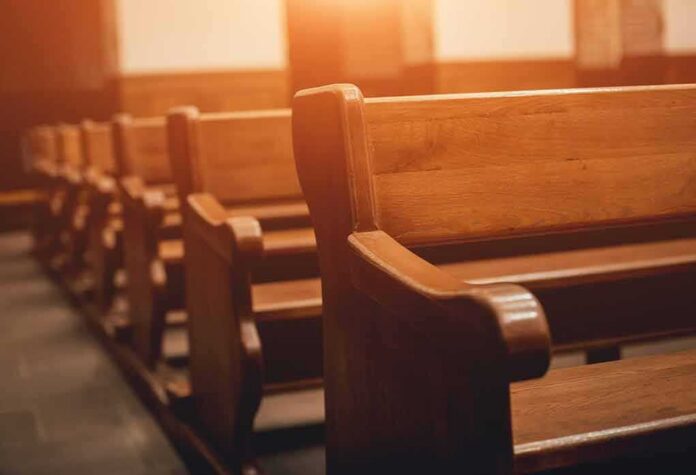
Archbishop Jeremy Greaves of Brisbane said producers told church staff they were making a documentary about faith and a person excluded from churches because of sex work. He said the finished product was a reality show that “shamelessly attempts to validate the porn industry,” using St John’s Cathedral as a backdrop. He apologized for the distress and anger this caused and said the decision hurt people who expect churches to guard sacred spaces from misuse.
Greaves said staff conversations suggest the production team misled the Dean about what the series really was. He said cathedral leaders believed they were helping tell a story about faith and welcome. Instead, the cathedral appeared in a show tied to OnlyFans and sex work. He said the mismatch between the pitch and the final edit broke trust and harmed the church’s witness to the community.
Church Seeks Removal of Footage Beyond the Dean
The Anglican Diocese asked the producers to remove all images featuring people other than the Dean, showing a concrete response to the show’s use of the space. Reports describe scenes filmed inside the cathedral for a series that follows adult-content creators and sex workers, which placed the building in a sexualized context that many believers find offensive. The diocese’s request focused on limiting who appears on screen and curbing the show’s use of the cathedral’s setting.
Church leaders said the program’s framing crossed a clear line. They said the cathedral was turned into a prop to boost a show normalizing commercial sexual content. They argued that faith communities have a duty to protect holy places from use that conflicts with their mission. They also said consent for filming must match the true nature of the project, not a softer version presented to gain access.
Producers Cite Permission and Quick Edits After Complaint
Production company Mischief and Wonder said it secured permission directly from Dean Peter Catt to film at St John’s Cathedral. The company also said it removed some individuals from the cathedral scenes right after the church requested changes this week. That account sets up a direct dispute: church leaders allege deception in the pitch, while producers say they had clear approval from the decision-maker on site and acted promptly to address concerns.
The record collected so far does not include the pitch deck, emails, or the location agreement to prove what was promised. There is no sworn statement from the Dean that details what he was told. Without those documents, the public sees two claims in tension: the church’s account citing staff talks and the producer’s statement citing permission and edits. The core evidence question remains open in published sources.
Why This Matters to People of Faith and Free Speech
This case follows a pattern seen worldwide. Filmmakers ask to use a sacred site, promise a benign tone, and later the final edit shifts the meaning. In these fights, the key issue is not if filming happened. The key issue is what was disclosed and whether consent was tied to a different kind of story. When the edit changes, the location’s meaning can change with it, and that harms faith communities who guard their symbols carefully.
Brisbane's Anglican archbishop apologized after St John's Cathedral was used to film an OnlyFans star's baptism for a reality show. #Anglican #Brisbane #OnlyFans #Cathedral #ChristianPost
🔗 https://t.co/DgqFt6HyG4 https://t.co/fICot9wvDl pic.twitter.com/QRZTUP29Hp— The Christian Post (@ChristianPost) August 27, 2026
Conservatives value free speech and private property rights. Churches can say yes or no to filming, and they can set terms. When producers sell a “documentary” but deliver sexualized “reality” content, that blurs consent and risks reputational damage. This moment is a reminder: protect sacred spaces with clear contracts, full disclosure, and the right to pull footage if a project strays from the agreed purpose. That protects faith, families, and common sense boundaries.
What Comes Next: Documents Will Tell the Story
Resolving the dispute will likely require the location agreement, email chain, and any written pitch. Those records could show what the Dean was told, what limits were set, and whether use in a sex-work reality series was disclosed. A statement from the Dean would also help. Until then, the church’s apology and removal request stand, and the producer’s claim of permission stands. Both sides have made specific claims on the record, but key paperwork has not surfaced publicly.
Sources:
lifesitenews.com, 7news.com.au, nzherald.co.nz, youtube.com