A federal court has let the Postal Service keep moving on President Trump’s mail-ballot rule, keeping states on notice that voter rolls may soon be tied to ballot delivery.
Quick Take
- The D.C. Circuit allowed the Postal Service rule to stay in place while litigation continues.
- The rule grows out of President Trump’s March 31 executive order on citizenship checks and mail voting.
- The Postal Service proposal says states may need to share voter lists if they want ballots delivered by mail.
- Other courts have already blocked parts of the broader plan in separate cases.
What the court allowed
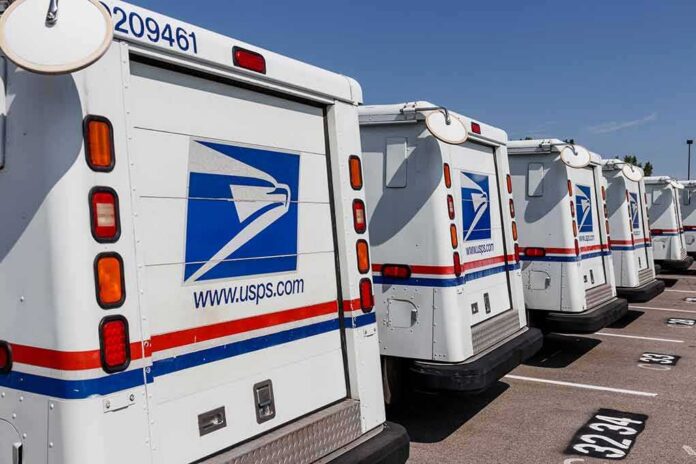
The latest order gives the Postal Service room to keep working on the rule while the case moves forward. That matters because the proposal is built to decide which states can count on federal mail delivery for absentee and mail ballots. Supporters see that as a basic integrity check. Critics see a federal agency stepping into election territory that normally belongs to the states.
The dispute began after President Trump signed an executive order on March 31 called “Ensuring Citizenship Verification and Integrity in Federal Elections.” The order directs the Department of Homeland Security, the Social Security Administration, and the Postal Service to work together on citizenship verification. It also directs the Postal Service to set mail-ballot rules tied to state voter lists, ballot tracking, and security standards. CNN reported that the proposal would require states to hand over voter lists or risk losing mail delivery for ballots.
How the mail-ballot rule works
Under the proposal, states would have to submit detailed voter manifests before federal elections. The package described those manifests as including names, addresses, and barcode identifiers, with a 60-day deadline before an election. Time reported that the Postal Service proposal says it would check ballots against state lists, while states would still control the content of those lists. The same report said the rule is still only proposed and must still pass the normal public-comment process before it can take effect.
That procedural point matters because one federal judge already said it was too early to block the rule. Judge Carl Nichols declined to issue a preliminary injunction, saying the Postal Service had not yet finished a final rule. The D.C. Circuit then let the matter proceed while litigation continues. For now, that leaves the Trump administration with a temporary legal opening, but not a final courtroom victory.
Why opponents keep pressing the courts
Opponents argue the plan hands election power to Washington in a way the Constitution does not allow. NPR reported that one judge said the Constitution gives state legislatures and Congress the power to set federal election rules, not the President. CNN also reported that challengers say the plan could force states to revamp mail voting systems and could burden eligible voters who move or gain citizenship close to an election.
Other judges have already blocked parts of the broader effort in separate cases. Those rulings show the legal fight is far from over, even with the D.C. Circuit’s latest pause on enforcement. The bigger question now is whether the administration can turn a proposed Postal Service rule into a final policy before the 2026 midterms, and whether the courts will let that stand if it happens.
Sources:
thegatewaypundit.com, about.usps.com, wmar2news.com, democracydocket.com, brookings.edu, campaignlegal.org