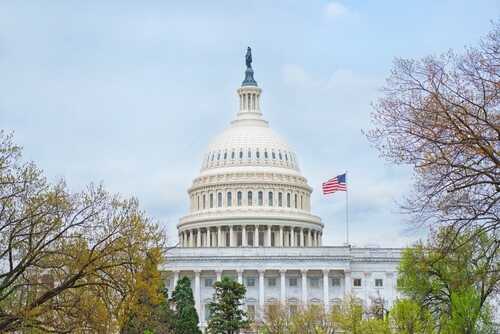
The federal government expanded law enforcement presence in Washington amid heightened political tensions, raising questions about authority and local control.
At a Glance
- Federal agencies deployed additional personnel to Washington, D.C.
- Action follows recent security concerns around political events
- Local officials express mixed reactions to federal involvement
- Legal frameworks regulate scope and limits of federal law enforcement
- Experts emphasize need for balance between security and civil liberties
Increased Federal Presence in Washington
Following recent political events, federal authorities increased their law enforcement footprint in Washington, D.C., deploying personnel from multiple agencies. This move aims to bolster security and respond to perceived threats to public order during politically sensitive periods.
The expanded presence includes agents with varied jurisdictional powers, which has sparked debate over the extent of federal authority within the district and potential impacts on local governance.
Watch now: Trump Threatens Washington DC Takeover, Warns New York City Could Be Next · YouTube
Local Officials and Public Response
Local government leaders have voiced concerns about the scale and transparency of the federal deployments, emphasizing the importance of respecting local jurisdiction. Some officials worry the increased federal presence may lead to tensions or confrontations with residents and protesters.
Residents and advocacy groups also question the accountability mechanisms for federal officers operating in the city, calling for clear guidelines and oversight to prevent abuses.
Legal and Constitutional Considerations
Legal experts note that while federal law enforcement has authority to operate in Washington for specific mandates, the scope of their activities must align with statutory limits and respect local governance structures. The balance between maintaining security and protecting civil liberties remains central.
Congressional oversight and judicial review serve as potential checks on federal law enforcement actions, ensuring adherence to constitutional protections even during heightened security operations.
Implications for Governance and Security
The increased federal deployment reflects broader challenges in managing security amid polarized political environments. Effective coordination between federal and local agencies is critical to prevent jurisdictional conflicts and uphold rule of law.
Sustained public scrutiny and institutional accountability will influence the long-term effects of this law enforcement strategy on democratic governance and civil rights.