South Africa’s top military commander secretly visited Iran for defense talks without presidential approval, triggering concerns over rogue military diplomacy and weakened civilian oversight.
At a Glance
- General Rudzani Maphwanya met Iranian defense leaders in Tehran on August 12, 2025.
- Presidential office denied knowledge or authorization of the visit.
- Iran secured commitments for expanded defense cooperation and joint exercises.
- Meeting discussions covered defense technology transfers and regional security coordination.
- The incident highlights potential erosion of civilian control over foreign military engagements.
Unauthorized Tehran Engagement
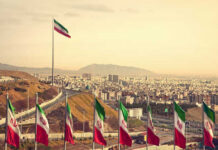
On August 12, 2025, General Rudzani Maphwanya, Chief of the South African National Defence Force, held high-level talks in Tehran with Major General Abdolrahim Mousavi, Chief of Staff of the Iranian Armed Forces, and Major General Amir Hatami, Commander of the Iranian Army. The South African Presidency stated two days later that President Cyril Ramaphosa had not been informed of, nor approved, the trip.
Watch now: Iran, South Africa Deepen Military Cooperation · YouTube
Iranian officials announced new commitments, including increased military cooperation, expanded technical partnerships, and planning for joint exercises. Topics reportedly included defense technology transfers and coordinated approaches to regional security challenges. The visit was presented in Iranian state media as a major diplomatic success, demonstrating Tehran’s ability to build alliances in Africa despite sanctions.
Strategic Implications
Iran’s outreach aligns with a broader diplomatic strategy to strengthen ties with countries in the Global South that share opposition to U.S. and Israeli policies. Major General Mousavi emphasized common ground in resisting Western influence and supporting anti-colonial movements. By securing military cooperation from South Africa’s armed forces, Iran gains a symbolic and strategic foothold in Africa.
The lack of presidential oversight in this case raises questions about the chain of command within South Africa’s defense establishment. Analysts note that unauthorized foreign military engagement can complicate diplomatic relations, particularly when dealing with nations under heavy international scrutiny. The incident may prompt reviews of internal approval procedures for overseas military contacts.
Historical Context of Cooperation
South Africa and Iran have maintained a defense and diplomatic relationship since 1995, rooted in shared anti-colonial narratives and Iran’s support for South Africa during the apartheid era. Formal cooperation occurs through the South Africa-Iran Joint Commission, covering energy, technology, and defense.
In recent years, the partnership has included a 2023 refinery development deal and South Africa’s hosting of Hamas officials later that year, signaling policy alignment with some of Iran’s regional positions. At the United Nations, South Africa has regularly opposed sanctions on Iran and supported its right to nuclear technology.
These ties have enabled ongoing naval forums and military agreements, even as South Africa balances relations with Western economic partners. However, the Tehran visit suggests that certain military actors may now be operating beyond the established civilian-led foreign policy framework. The resulting tension between elected leadership and the armed forces could reshape both domestic governance dynamics and South Africa’s role in regional security cooperation.