
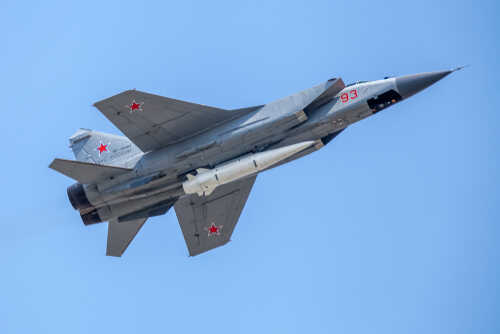
Estonian airspace violated by Russian MiG-31 jets, prompting NATO’s immediate response and raising concerns over regional security.
Story Highlights
- Russian MiG-31 jets breach Estonian airspace, escalating tensions with NATO.
- NATO forces on high alert; readiness measures intensified across Eastern Europe.
- Estonia demands explanation from Russia amid heightened geopolitical tensions.
- Potential implications for regional security and NATO’s strategic posture.
Russian Jets Breach Estonian Airspace
In a bold move that has sent shockwaves through NATO, Russian MiG-31 jets violated Estonian airspace earlier this week. This breach has escalated tensions in the region, as Estonia is a NATO member. The incident highlights ongoing friction between Russia and the Western alliance, with potential ramifications for regional security and international diplomacy.
According to reports, the Russian aircraft entered Estonian airspace without prior notification, prompting immediate NATO response measures. This incursion is perceived as a provocative act by Moscow, challenging the sovereignty of a NATO ally. Estonian authorities have lodged a formal protest with the Russian government, demanding an explanation for the unauthorized flight.
The US has not officially commented on the russian incursion into a NATO country.
On September 19, three russian MiG fighter jets illegally entered Estonian airspace and remained there for twelve minutes.
But Trump doesn't care. pic.twitter.com/WR0WeielYF— Jürgen Nauditt 🇩🇪🇺🇦 (@jurgen_nauditt) September 21, 2025
NATO’s Response and Strategic Implications
NATO forces across Eastern Europe have been placed on high alert in response to the airspace breach. The alliance has intensified its readiness measures, reinforcing its commitment to defend member states against external threats. Military experts suggest that this incident could prompt a reevaluation of NATO’s strategic posture in the region, potentially leading to increased deployments and joint exercises to deter further aggression.
For Estonia and its Baltic neighbors, this breach underscores the persistent threat posed by Russia. It serves as a stark reminder of the geopolitical realities facing Eastern Europe, where historical tensions and strategic interests collide. The incident could also influence NATO’s defense policies, emphasizing the need for robust air defense systems and rapid response capabilities.
Geopolitical Repercussions and Diplomatic Efforts
Estonian officials continue to engage in diplomatic efforts to address the situation, seeking assurances from Russia that such violations will not recur. However, Moscow’s initial response has been dismissive, with Russian authorities claiming the jets were on a routine mission and did not intend to provoke. This has done little to ease tensions, as NATO remains wary of Russia’s intentions.
The incident also reverberates beyond the immediate region, influencing global perceptions of Russian military assertiveness and NATO’s resolve. Western allies are closely monitoring the situation, assessing potential impacts on broader geopolitical dynamics. The breach may also affect ongoing discussions within NATO regarding defense spending and resource allocation to enhance collective security.
Watch the report:Russia ‘violation’ in Estonia latest test for NATO and Europe
Sources:
Estonia seeks Nato consultation after Russian jets violate airspace
Russian Mig-31 Fighters Breach NATO Airspace Over Estonia | WION Pulse