
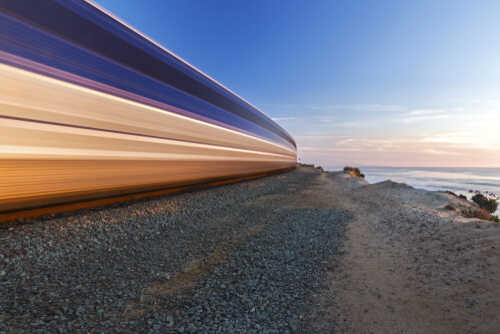
Amtrak’s NextGen Acela trains debut at 160 mph, signaling a major leap in U.S. rail travel and a renewed focus on domestic manufacturing.
At a Glance
- Amtrak launched its NextGen Acela on August 28, 2025.
- Built by Alstom in Hornell, New York, the trains reach speeds up to 160 mph.
- The fleet adds 27% more seating and advanced passenger amenities.
- Federal support was key in funding and regulating the project.
- Analysts suggest it could shift some travelers away from planes and cars.
A New Era in U.S. Rail Travel
On August 28, 2025, Amtrak unveiled its NextGen Acela fleet on the Northeast Corridor, the busiest passenger rail line in the United States. The new trains, capable of reaching 160 mph, represent the fastest service ever offered in the country. Manufactured by Alstom at its facility in Hornell, New York, the Acela upgrade underscores a push to reestablish American-made high-speed rail. With 27% more seating capacity and improved amenities such as better Wi-Fi, accessibility features, and redesigned interiors, the rollout is intended to redefine passenger experience while boosting ridership.
Watch now: Amtrak’s New Acela Trains Hit 160 MPH · YouTube
The introduction marks a significant infrastructure milestone, aligning with federal priorities for modernization of passenger rail. Amtrak executives argue that the new service strengthens both the reliability and competitiveness of rail in the Northeast Corridor, an area already facing capacity challenges due to heavy ridership and aging infrastructure.
Key Stakeholders and Federal Support
The NextGen Acela’s launch reflects the contributions of several stakeholders. Amtrak, the nation’s passenger rail operator, has pursued the project as part of its long-term strategy to improve service and increase market share. Alstom, a global rail manufacturer with U.S. facilities, has used the project to expand its footprint in the domestic market while promoting its advanced train technology. Federal agencies, including the Federal Railroad Administration and the Department of Transportation, provided critical oversight, funding, and regulatory approvals to ensure safety standards were met.
Government officials, including Transportation Secretary Sean P. Duffy, have framed the Acela upgrade as part of a broader national effort to modernize infrastructure. Federal backing has been essential in overcoming financial and regulatory hurdles that historically stalled progress on U.S. rail projects. Still, many components such as electronics and signaling equipment continue to be sourced internationally, raising questions about how fully “American-made” the trains truly are.
Long-Term Implications and Industry Impact
Experts argue the short-term benefits of the NextGen Acela include expanded capacity and improved service frequency along the Washington-to-Boston corridor. For business travelers and tourists, the faster service could make train travel more competitive with short-haul flights, while also reducing highway congestion.
In the long term, transportation researchers such as Professor Joseph Schofer of Northwestern University suggest that the Acela’s performance may influence broader transportation patterns, potentially shifting demand toward rail and away from air travel for journeys under 400 miles. Such a shift could contribute to reduced carbon emissions, a stated federal goal.
The broader implications extend beyond passengers. By investing in high-speed rail production in Hornell, the project has supported domestic manufacturing and created jobs, while also setting a precedent for future infrastructure projects. Industry observers note that successful adoption of the NextGen Acela could strengthen arguments for expanding high-speed rail across other U.S. regions, though challenges remain, particularly with track modernization and long-standing political resistance to large-scale rail projects.
Sources
Amtrak
Alstom
U.S. Department of Transportation
Reuters
Bloomberg