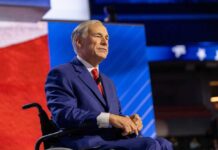
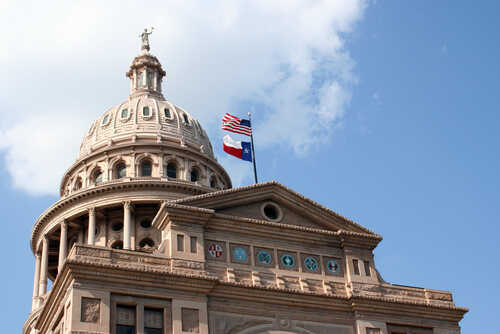
A fiercely partisan clash escalated after U.S. Senator John Cornyn confirmed the FBI granted his request to assist in locating Texas Democratic lawmakers who fled the state to block a redistricting vote.
At a Glance
- FBI Director Kash Patel approved Cornyn’s request to aid Texas in locating absentee lawmakers
- Democrats left the state to prevent a quorum on a redistricting vote
- Cornyn accused them of violating constitutional duties and possibly committing bribery
- FBI assistance raises concerns about federal involvement in state disputes
- Legal experts say the FBI lacks jurisdiction in civil legislative matters
Federal Involvement Confirmed
U.S. Senator John Cornyn announced on August 7 that the Federal Bureau of Investigation would assist in efforts to locate Texas House Democrats who fled the state. The lawmakers’ departure denied the chamber the quorum needed to pass a controversial mid-decade redistricting bill that could reshape the U.S. House map ahead of the 2026 elections.
Watch now: Cornyn says FBI approved his request to pursue ‘runaway’ lawmakers · YouTube
Cornyn stated that FBI Director Kash Patel had approved the request and that agents had been assigned to field offices in Austin and San Antonio. However, the FBI has declined to confirm or deny operational details. Cornyn further alleged the lawmakers may have received external financial assistance, suggesting a possible public corruption angle that could justify federal involvement.
Political Tactic or Constitutional Breach?
Democratic legislators from Texas traveled to states including Illinois and Massachusetts to prevent the passage of new congressional maps, echoing similar quorum-denial tactics used in 2003 and 2021. Texas Governor Greg Abbott issued civil arrest warrants for the lawmakers, but state authorities cannot compel their return from other jurisdictions.
The redistricting proposal aims to secure up to five additional Republican-held U.S. House seats by 2026. Democratic members argue the process is premature and politically motivated. Cornyn criticized their absence as a failure to uphold their sworn responsibilities, stating that obstructing legislative processes through evasion undermines democratic function.
Jurisdictional Boundaries and Criticism
Legal analysts have raised concerns over the FBI’s involvement, pointing out that the agency typically refrains from enforcing civil legislative procedures. Several constitutional law scholars argue the agency lacks jurisdiction unless federal crimes—such as bribery or conspiracy—are substantiated with evidence.
The development has drawn national scrutiny, with opponents suggesting that deploying federal agents over a state-level quorum dispute risks politicizing law enforcement. Supporters of the move argue that absentee lawmakers accepting financial support while avoiding legislative duties could warrant broader legal examination.