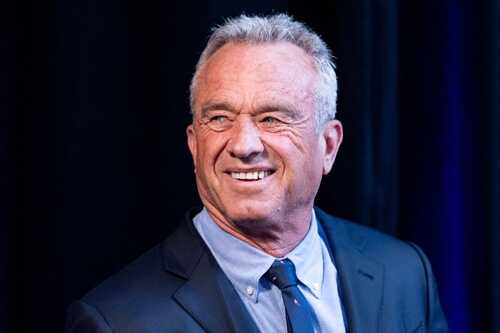
Robert F. Kennedy Jr.’s appointment as Secretary of Health and Human Services has triggered a wave of internal dissent, with prominent figures like Chris Hayes warning of its destabilizing impact on federal health institutions.
At a Glance
- RFK Jr., a known vaccine skeptic, appointed HHS Secretary by Trump
- CDC plagued by mass resignations under Kennedy’s leadership
- New CDC director Susan Monz resigned within one month
- Chris Hayes called Kennedy a “dangerous crank”
- Public health experts fear long-term institutional damage
A Disruptive Appointment
The Trump administration’s appointment of Robert F. Kennedy Jr. as Secretary of Health and Human Services sparked immediate concern across the public health sector. Kennedy, a longtime critic of vaccines and public health consensus, entered the role amid warnings from scientists and political analysts alike. His appointment was framed by the administration as a shake-up to bureaucratic stagnation, but for many career officials, it signaled the beginning of a crisis.
Almost immediately after assuming office, Kennedy launched initiatives aimed at restructuring key public health institutions, including the CDC. These efforts quickly met resistance, prompting the resignation of top officials who viewed his policies as antithetical to evidence-based practices. Among them was Susan Monz, the newly appointed CDC director, who resigned within weeks due to “irreconcilable policy disagreements,” according to agency insiders.
Watch now: Hayes torches ‘dangerous crank’ RFK Jr. · YouTube
Fallout at the CDC
The CDC, long considered the backbone of the nation’s public health system, has faced mass resignations since Kennedy took office. Sources within the agency cite not only policy disagreements but also what they describe as an erosion of scientific autonomy. The departures include senior epidemiologists, virologists, and public communication officers—many with decades of service.
Chris Hayes, host on MSNBC, voiced sharp criticism during a recent broadcast, labeling Kennedy a “dangerous crank.” Hayes condemned Kennedy’s well-documented history of spreading vaccine misinformation, suggesting that his elevation to a federal leadership position poses a clear threat to the integrity of the nation’s health frameworks. His remarks have been echoed by members of the scientific community who fear the long-term implications of politicizing public health governance.
Broader Implications for Public Trust
The internal unrest and leadership vacuums caused by Kennedy’s policies raise broader concerns about the stability of U.S. public health infrastructure. Critics argue that dismantling the consensus-driven structure of institutions like the CDC could open the door to unverified health claims and politicized policy decisions. While Kennedy’s supporters claim his reforms aim to improve transparency and efficiency, opponents warn that his actions risk delegitimizing scientific expertise.
This tension between political authority and institutional science reflects a larger debate over the role of expertise in government. If sustained, this clash may reshape not only how health policies are formed but also how they are received by the public—potentially undermining future responses to health emergencies.