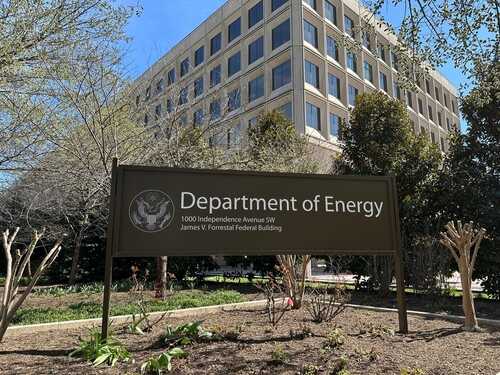
The Department of Energy has selected 11 companies for an accelerated nuclear reactor program, replacing traditional licensing with a streamlined approval process to boost U.S. energy independence.
At a Glance
- DOE to authorize 11 privately funded advanced reactor projects
- NRC licensing replaced with DOE approval under the Atomic Energy Act
- Three reactors targeted for operational status by July 4, 2026
- Program aims to rebuild domestic uranium enrichment capacity
- Private companies to operate without federal subsidies
Streamlined Path to Deployment
In May 2025, President Trump signed Executive Orders directing the Department of Energy to establish the Nuclear Reactor Pilot Program. The initiative, formally launched in August 2025, bypasses the traditional Nuclear Regulatory Commission licensing process in favor of DOE authorization under the Atomic Energy Act. The aim is to accelerate the deployment of next-generation nuclear technology while reinforcing U.S. energy security.
Watch now: Trump Administration Fast-Tracks Nuclear Innovation · YouTube
Companies selected include Oklo Inc, Deep Fission Inc, and Terrestrial Energy Inc, each tasked with developing advanced reactor designs on non-government sites. The approach reduces approval timelines from years to months, with an ambitious target for at least three reactors to achieve first criticality by Independence Day 2026.
Market-Led Nuclear Development
The program requires all participating companies to secure private funding, eliminating reliance on federal subsidies. This market-driven structure is intended to ensure that only commercially viable designs advance through development and deployment. DOE’s role is limited to regulatory facilitation, allowing companies greater flexibility while preserving safety oversight under atomic energy law.
This model marks a shift from earlier nuclear development initiatives that relied heavily on taxpayer funding. Proponents argue that it fosters competition, rewards innovation, and aligns project success directly with market demand. By focusing on private capital and commercial potential, the administration expects to avoid cost overruns and stalled construction that have historically plagued large-scale energy projects.
Strategic Energy Independence
For decades, the United States has relied on imported uranium and foreign reactor technology, creating vulnerabilities in energy security. The Nuclear Reactor Pilot Program aims to reverse this dependency by rebuilding domestic nuclear manufacturing and uranium enrichment capabilities. According to DOE Deputy Secretary James Danly, the initiative is designed to deliver tangible results quickly while reinforcing America’s nuclear leadership.
Industry stakeholders see the program as a catalyst for revitalizing supply chains and restoring the country’s competitive edge in the global nuclear market. By accelerating reactor deployment and securing domestic fuel sources, the program could reduce exposure to geopolitical risks that affect energy prices and reliability.
Balancing Innovation and Safety
Critics, including the Union of Concerned Scientists, have raised concerns about reducing the role of the NRC in reactor licensing. Edwin Lyman, a senior analyst with the group, has cautioned about potential safety risks and transparency challenges. However, DOE officials stress that the program retains full safety authority under the Atomic Energy Act and removes only duplicative layers of review that have historically delayed projects.
Industry executives argue that the streamlined regulatory process will enable safe, efficient innovation that was previously hindered by what they describe as regulatory bottlenecks. Oklo CEO Jacob DeWitte has praised the program for creating a workable framework that allows companies to move from design to deployment without prolonged bureaucratic delays.
If successful, the pilot could serve as a template for broader reform in U.S. nuclear policy, setting the stage for sustained growth in a sector often overshadowed by short-term energy alternatives.